
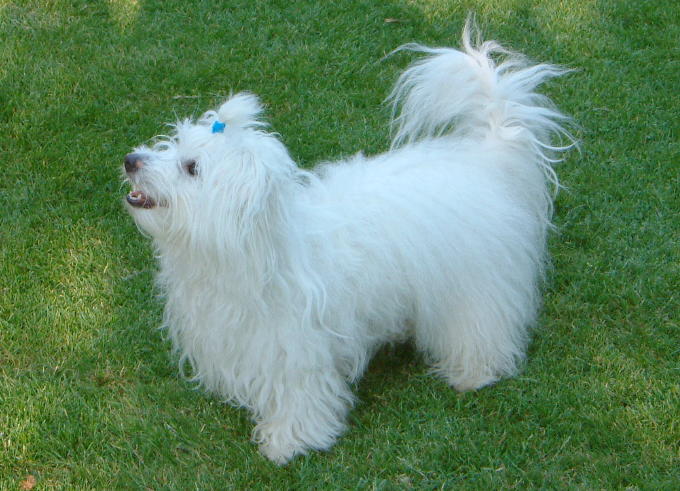
Designer cross of Shih Tzu × Poodle. Hypoallergenic, friendly, manageable size. Like all designer breeds, F1 vs F1B distinction matters for shedding consistency. Buy from breeders who health-test parents (don't trust 'doodle' farm operations).
What to look for in a park
- Dog parks with small-dog areas
Separate areas just for small breeds — safer play for under-25-lb dogs.
- Indoor dog parks
Climate-controlled indoor dog parks — perfect for rainy days, summer heat, and winter snow.
- Fully fenced dog parks
Fully enclosed dog parks with secure perimeter fencing — peace of mind for runners.
- Dog parks with shade
Parks with mature trees, shade structures, or covered areas to keep dogs cool.
Top-matching parks for a Shih-Poo
Real parks from our directory that score highest for the features your Shih-Poo needs.


Common health issues to watch for
- Patellar luxation
- Eye disease
- Hypothyroidism
Definitions in our breed glossary. Always consult your vet. Save the closest 24/7 emergency vet to your phone.
Similar to Shih-Poo
Breeds with comparable size, energy, and group classification.



Shih-Poos appear in these rankings
Frequently asked questions
How long do Shih-Poos live?+
Shih-Poos typically live 13-17 years. Keeping any dog at a healthy weight throughout life is the single biggest factor under your control for maximizing lifespan.
How much exercise does a Shih-Poo need per day?+
Shih-Poos need 30-45 minutes of daily exercise. Their energy level is moderate. Under-exercised Shih-Poos can develop destructive behaviors — match their needs to your schedule before adopting.
Are Shih-Poos good with children?+
Yes — Shih-Poos are typically good with children when properly socialized from puppyhood. Always supervise interactions between any breed and young kids, and teach kids gentle handling. Individual temperament varies.
Are Shih-Poos hypoallergenic?+
Shih-Poos are low-shedding and often considered hypoallergenic-friendly. However, NO breed is 100% hypoallergenic — allergens come from saliva and dander, not just hair. Spend time with the specific dog before adopting if you have allergies.
Where did the Shih-Poo come from?+
The Shih-Poo originated in United States (designer breed, 2000s). Understanding a breed's original purpose helps explain its modern temperament and exercise needs.
📋 Free Shih-Poo starter checklist
What to bring, what to watch for, and what to expect at the park with a Shih-Poo.