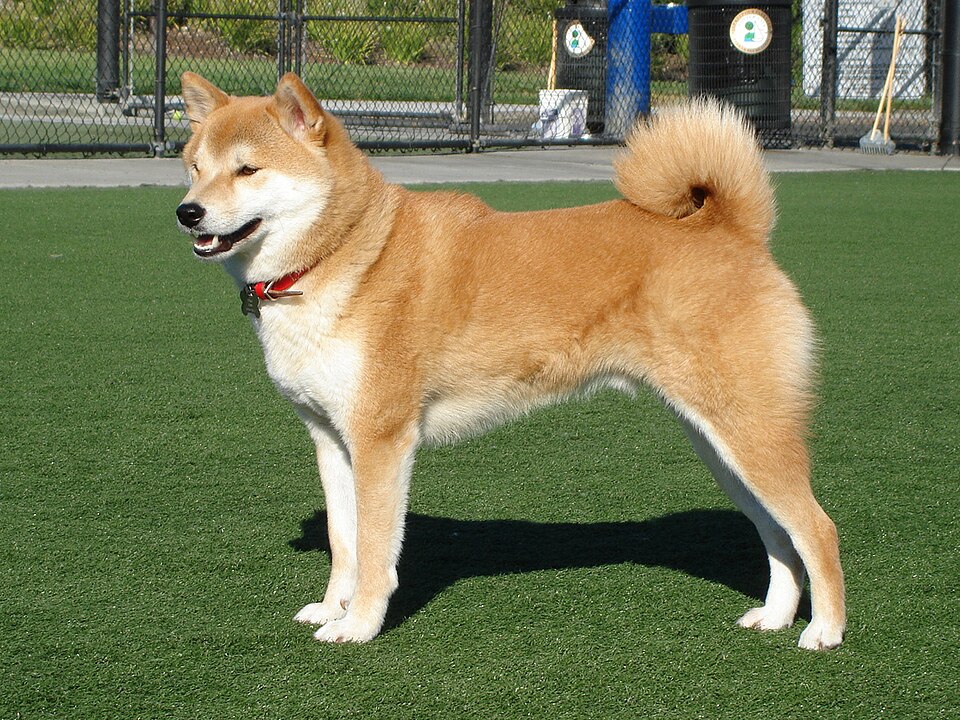
The Shiba Inu is the smallest and oldest of Japan's six native breeds, originally bred to flush small game in dense brushwood. They're alert, independent, intensely loyal to their family, and famously aloof with strangers. The Shiba is often called 'the cat of the dog world' — they self-groom, have catlike independence, and decide on their own terms when affection happens.
The Shiba personality
Shibas have THREE famous personality traits: kan-i (bravery), ryosei (good nature), and soboku (alertness with refined dignity). In practice this means: confident to the point of stubbornness, deeply bonded to their family but reserved with everyone else, and SO clean they'll groom themselves multiple times a day. They are the breed most likely to look at you, hear your command, and choose violence — i.e. ignore you. Training a Shiba requires endless patience, consistency, and high-value rewards. Treat them like a cat with the prey drive of a dog: respect their independence, never force interactions, reward partnership.
The infamous Shiba scream
Shibas have a vocal range that includes a high-pitched, almost human scream they use when frightened, restrained against their will, or sometimes JUST excited. First-time Shiba owners often think their dog is dying during a vet visit. They're not — they're just very, VERY done with the situation. The scream is a real thing, it's not abuse, and it's the breed's signature alarm call. Enjoy it; Reddit has pages dedicated to it.
Why most Shibas can't be off-leash
Like Huskies, Shibas have terrible recall. They're not as fast (max ~20 mph) but they have a STRONG independent prey-drive streak. Running off the moment a squirrel appears is a Shiba pastime. Plan for fenced dog parks only, double-clip leashes for walks (a back-clip harness PLUS a martingale collar — Shibas are escape artists with thin necks), and never off-leash hiking unless they have 3+ years of dedicated recall training (and even then, expect failure).
Other-dog and other-pet caution
Many Shibas don't love other dogs. They can be same-sex aggressive (Shiba-on-Shiba especially — same-gender pairs are notoriously hard), and the prey drive means small cats, rabbits, and squirrels are not safe companions. Early socialization is critical — start at 8-16 weeks with positive, short interactions. As adults, plan for: small-dog area parks (so they can choose to engage), avoiding crowded peak times, and reading their body language CONSTANTLY. A stiff tail held high, ear tips pinned forward, hard stare = leave the dog park.
The shedding & grooming reality
Despite their refined look, Shibas BLOW their undercoat twice a year (spring and fall) in massive, fur-everywhere clouds. A Furminator and 30 minutes a day during shedding season is mandatory or your home becomes a fur biome. The rest of the year, weekly brushing is plenty. Shibas don't need professional grooming — they self-clean, hate baths (cue the scream), and have minimal dog smell.
Why a Shiba can be a great fit
If you want a quiet, dignified, low-drool, low-bark, low-grooming, healthy, long-lived dog who'll bond intensely with one or two people and treat the world with the disdain of a French bulldog — the Shiba is your dog. They're great in apartments (low energy by adult standards). They're catlike clean. They're stunningly photogenic. They'll outlive most other purebreds. And once you've earned a Shiba's trust, the bond is unreal. Just go in with the right expectations: this is not a Lab. This is a small fox with a sword.
What to look for in a park
- Fully fenced dog parks
Fully enclosed dog parks with secure perimeter fencing — peace of mind for runners.
- Dog parks with small-dog areas
Separate areas just for small breeds — safer play for under-25-lb dogs.
- Dog parks with shade
Parks with mature trees, shade structures, or covered areas to keep dogs cool.
- Indoor dog parks
Climate-controlled indoor dog parks — perfect for rainy days, summer heat, and winter snow.
Owner park rules of thumb
- • Small-dog only areas (Shibas can be reactive with large breeds)
- • Fenced parks only — escape artists
- • Off-peak hours (Shibas don't love crowded play)
- • Indoor dog parks for winter / summer (climate-flexible)
- • Parks with agility courses (mental stimulation > physical for Shibas)
Top-matching parks for a Shiba Inu
Real parks from our directory that score highest for the features your Shiba Inu needs.


Common health issues to watch for
- Allergies
- Patellar luxation
- Hip dysplasia (rare)
- Glaucoma
- Chylothorax
Definitions in our breed glossary. Always consult your vet. Save the closest 24/7 emergency vet to your phone.
Similar to Shiba Inu
Breeds with comparable size, energy, and group classification.



Shiba Inus appear in these rankings
Frequently asked questions
How long do Shiba Inus live?+
Shiba Inus typically live 13-16 years. Keeping any dog at a healthy weight throughout life is the single biggest factor under your control for maximizing lifespan.
How much exercise does a Shiba Inu need per day?+
Shiba Inus need 45-90 minutes of daily exercise. Their energy level is moderate. Under-exercised Shiba Inus can develop destructive behaviors — match their needs to your schedule before adopting.
Are Shiba Inus good with children?+
Yes — Shiba Inus are typically good with children when properly socialized from puppyhood. Always supervise interactions between any breed and young kids, and teach kids gentle handling. Individual temperament varies.
Are Shiba Inus good with other dogs?+
Shiba Inus often have same-sex dog aggression or selective dog-tolerance issues. Single-dog homes or carefully matched playmates work best. Public dog parks may not be a good fit — private playgroups with known dogs are safer.
Do Shiba Inus shed a lot?+
Yes — Shiba Inus are heavy shedders, typically with seasonal "blow outs" (3-4 weeks of major undercoat shedding) twice a year. Daily brushing during these periods, weekly otherwise. Robot vacuum strongly recommended.
Are Shiba Inus hard to train?+
Shiba Inus are independent-minded and can be challenging to train, especially for first-time owners. They obey when they see the merit, not from blind compliance. Use positive reinforcement, high-value rewards, short sessions, and infinite patience. Avoid harsh "alpha" methods (these create fear-aggression).
Where did the Shiba Inu come from?+
The Shiba Inu originated in Japan (oldest of the six native Japanese breeds). Understanding a breed's original purpose helps explain its modern temperament and exercise needs.
📋 Free Shiba Inu starter checklist
What to bring, what to watch for, and what to expect at the park with a Shiba Inu.