
Ancient Chinese imperial breed — kept in the Forbidden City. Stoic, comedic, deeply affectionate, and a quintessential lap dog. Like Frenchies and bulldogs, pugs carry the brachycephalic burden — their flat face is the source of both their iconic look and their lifelong health issues.
Eye prolapse — the breed-specific emergency
Pugs have shallow eye sockets and prominent eyeballs (the cute look). This makes them prone to PROPTOSIS — the eyeball literally pops out of the socket — typically from being grabbed by the scruff, getting in a dog fight, head trauma, or sometimes spontaneously from coughing/sneezing. Proptosis is a 30-minute emergency: the eye is not 'lost' if you act fast. Wrap the head gently with a moist gauze, do NOT push the eye back in, and drive immediately to an emergency vet. With surgery within an hour, vision is often saved. Pugs also get corneal ulcers from minor scratches more easily than other breeds. Annual eye exams at a veterinary ophthalmologist (CAER cert) are recommended after age 3.
Pug Dog Encephalitis (PDE) — the cruelest pug disease
PDE is a fatal autoimmune brain inflammation that affects roughly 1-2% of pugs. Symptoms appear at 2-7 years old: seizures, circling, head pressing, blindness, behavioral changes, eventually death within weeks to months. There's no cure. PDE has a known genetic risk marker (DLA) — responsible breeders test their breeding dogs. NEVER buy a pug from a breeder who can't show you DLA results on both parents. PDE is the #1 reason why $500 'discount' pugs cost more than $2K well-bred pugs over the dog's lifetime. Other neurological issues (hemivertebrae, IVDD) also affect pugs at higher rates than average.
Heat and BOAS — moderate not extreme
Pugs have BOAS but typically less severe than English Bulldogs or Frenchies. Most pugs can walk in 80°F if it's brief and shaded, swim in lukewarm pools, and tolerate moderate exercise. Critical: never leave them in a hot car, bring water, watch for early panting, walk early/late in summer. Sleep apnea is common (most pugs snore loudly when sleeping); if your pug stops breathing for >10 seconds during sleep, talk to a vet about BOAS evaluation. Surgery is less commonly needed than in bulldogs but should be considered if exercise tolerance drops.
Park behavior — comedy gold
Pugs are wonderful dog-park dogs. They're confident, friendly, comedic, low prey drive, low aggression. Their flat face plus stout build means they often play sideways (the 'pug rodeo'), which other dogs find amusing. They tire fast — 15-20 minute play sessions are typical. Best venues: small-dog areas, indoor dog daycares, splash pads (most pugs love water but cannot swim — life vest mandatory). Watch for: eye injuries from rough play (a pug's eyes are NOT rough-play safe), overheating, and the pug's tendency to wander off in pursuit of food. Pugs are food-motivated to the point of insanity; track them.
The pug renaissance — pick a healthy line
Modern show-line pugs have been bred for increasingly extreme features (flatter face, bigger eyes, shorter legs). Some breeders are reverting to the 'old-style pug' look — slightly longer muzzle, athletic build, healthier overall. Look for breeders who title parents in CGC, agility, or rally — that proves the dogs are actually athletic. The 'retro pug' (pug × Jack Russell × King Charles Spaniel) movement aims to reconstruct a healthier pug; controversial but shows promising health data. Whatever you choose, demand BAER hearing test, CAER eye cert, OFA patella, and DLA-PDE genetic test on both parents.
What to look for in a park
- Dog parks with small-dog areas
Separate areas just for small breeds — safer play for under-25-lb dogs.
- Dog parks with shade
Parks with mature trees, shade structures, or covered areas to keep dogs cool.
- Indoor dog parks
Climate-controlled indoor dog parks — perfect for rainy days, summer heat, and winter snow.
- Fully fenced dog parks
Fully enclosed dog parks with secure perimeter fencing — peace of mind for runners.
Owner park rules of thumb
- • Small-dog area only — eye injury risk in rough play
- • Brief sessions — 15-20 minutes max
- • Heavy shade required
- • Splash pads OK with life vest (most can't swim)
- • Indoor dog daycares ideal in extreme weather
- • Best partners: park-adjacent eye-trained vet care
Top-matching parks for a Pug
Real parks from our directory that score highest for the features your Pug needs.


Common health issues to watch for
- BOAS
- Eye injuries (eye prolapse — proptosis)
- Hip dysplasia
- Pug Dog Encephalitis (PDE)
- Skin fold dermatitis
Definitions in our breed glossary. Always consult your vet. Save the closest 24/7 emergency vet to your phone.
Similar to Pug
Breeds with comparable size, energy, and group classification.
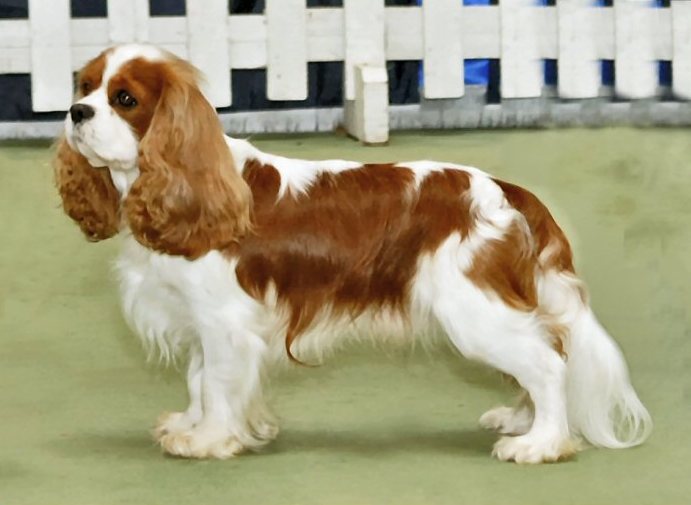
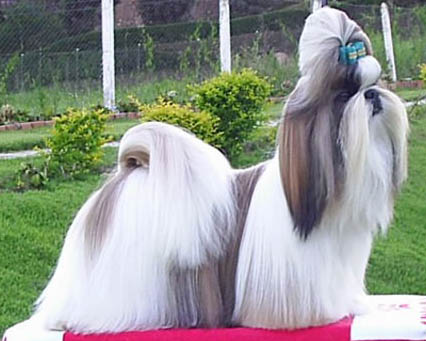


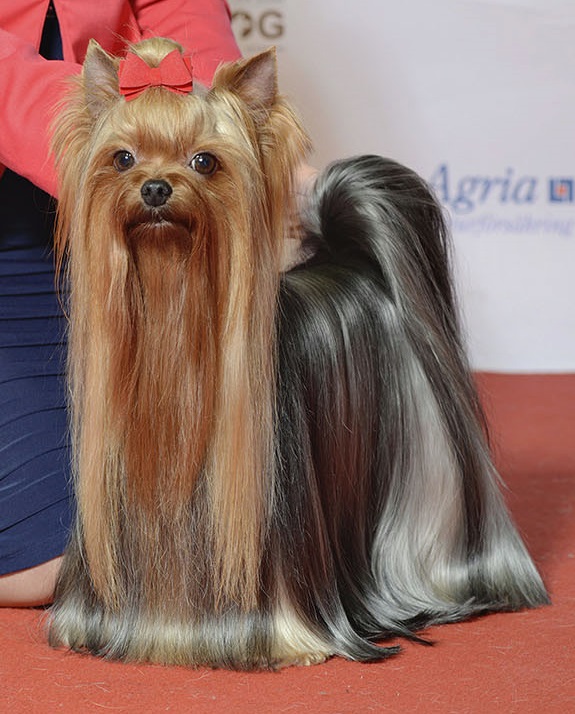
Pugs appear in these rankings
Frequently asked questions
How long do Pugs live?+
Pugs typically live 12-15 years. Keeping any dog at a healthy weight throughout life is the single biggest factor under your control for maximizing lifespan.
How much exercise does a Pug need per day?+
Pugs need 30-60 minutes of daily exercise. Their energy level is low. Under-exercised Pugs can develop destructive behaviors — match their needs to your schedule before adopting.
Are Pugs good with children?+
Yes — Pugs are typically good with children when properly socialized from puppyhood. Always supervise interactions between any breed and young kids, and teach kids gentle handling. Individual temperament varies.
Where did the Pug come from?+
The Pug originated in China (Han Dynasty). Understanding a breed's original purpose helps explain its modern temperament and exercise needs.
📋 Free Pug starter checklist
What to bring, what to watch for, and what to expect at the park with a Pug.