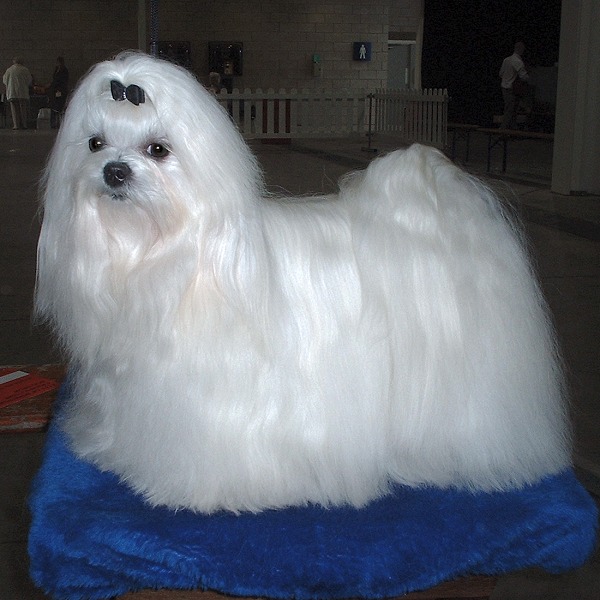
Mediterranean lap dog with 2,800+ years of documented history. Confident, affectionate, surprisingly playful. Pure-white silky coat is breed-defining. Most owners do a 'puppy cut' for easier maintenance. ALWAYS use a harness, never a collar — trachea is fragile.
What to look for in a park
- Dog parks with small-dog areas
Separate areas just for small breeds — safer play for under-25-lb dogs.
- Dog parks with shade
Parks with mature trees, shade structures, or covered areas to keep dogs cool.
- Indoor dog parks
Climate-controlled indoor dog parks — perfect for rainy days, summer heat, and winter snow.
Top-matching parks for a Maltese
Real parks from our directory that score highest for the features your Maltese needs.


Common health issues to watch for
- Patellar luxation
- Tear staining
- Dental issues
- Tracheal collapse
Definitions in our breed glossary. Always consult your vet. Save the closest 24/7 emergency vet to your phone.
Similar to Maltese
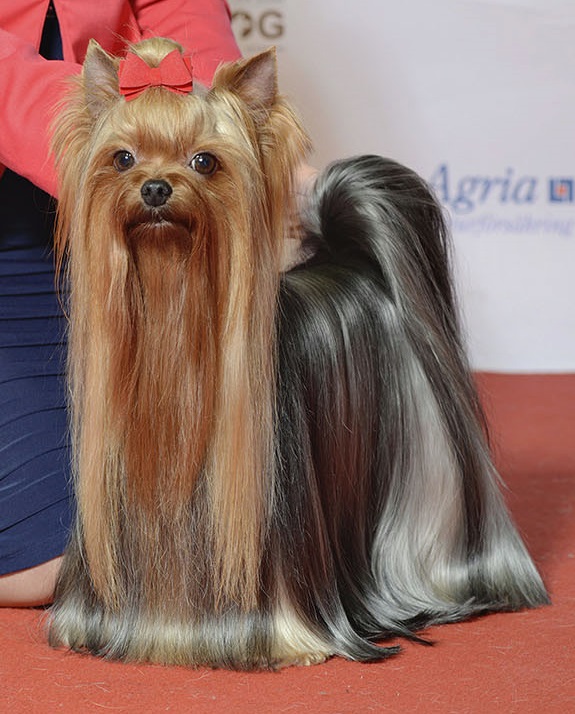
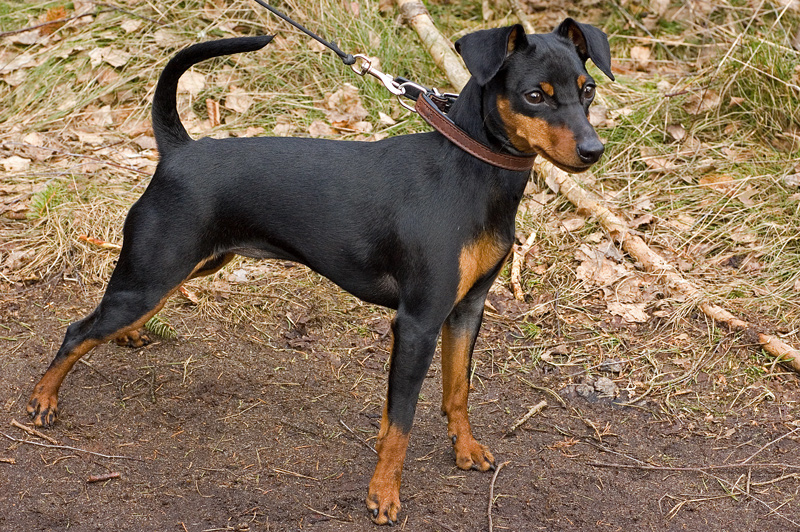
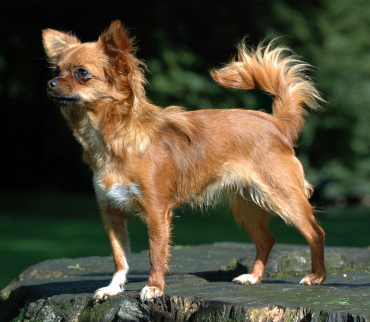
Breeds with comparable size, energy, and group classification.


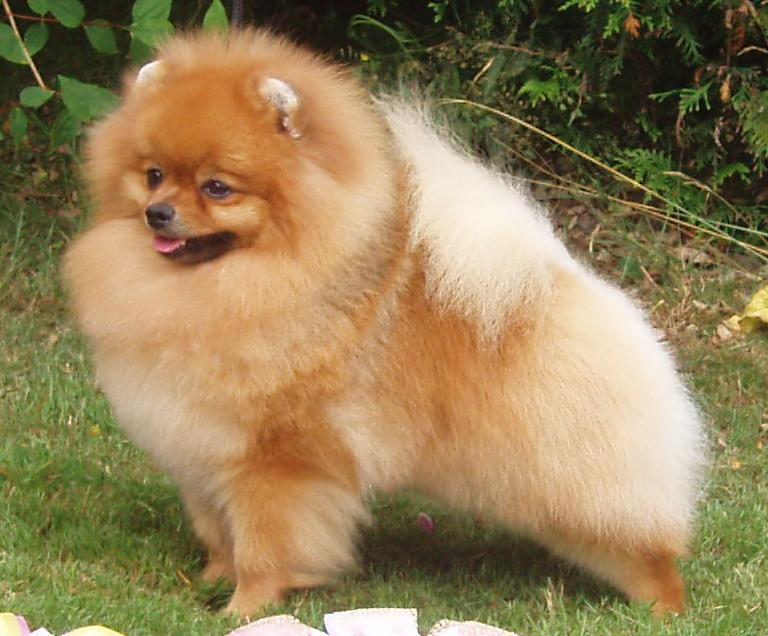
Malteses appear in these rankings
Frequently asked questions
How long do Malteses live?+
Malteses typically live 12-15 years. Keeping any dog at a healthy weight throughout life is the single biggest factor under your control for maximizing lifespan.
How much exercise does a Maltese need per day?+
Malteses need 20-40 minutes of daily exercise. Their energy level is moderate. Under-exercised Malteses can develop destructive behaviors — match their needs to your schedule before adopting.
Are Malteses good with children?+
Malteses require caution with young children. They may be too small (injury risk to dog), too high-energy (knockdown risk), or too reactive without extensive socialization. Many do fine with older, dog-savvy children — it depends on individual temperament.
Are Malteses hypoallergenic?+
Malteses are low-shedding and often considered hypoallergenic-friendly. However, NO breed is 100% hypoallergenic — allergens come from saliva and dander, not just hair. Spend time with the specific dog before adopting if you have allergies.
Where did the Maltese come from?+
The Maltese originated in Malta (one of the oldest toy breeds). Understanding a breed's original purpose helps explain its modern temperament and exercise needs.
📋 Free Maltese starter checklist
What to bring, what to watch for, and what to expect at the park with a Maltese.