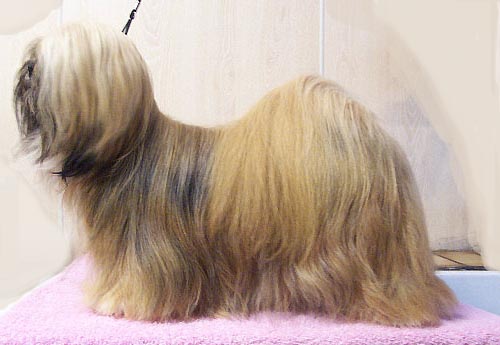
Tibetan monastery sentinel dog — bred to alert monks to intruders. Confident, alert, surprisingly tough little dog. Long flowing coat that requires daily brushing or a 'puppy cut.' Stranger-wary but devoted to family.
What to look for in a park
- Dog parks with small-dog areas
Separate areas just for small breeds — safer play for under-25-lb dogs.
- Dog parks with shade
Parks with mature trees, shade structures, or covered areas to keep dogs cool.
- Indoor dog parks
Climate-controlled indoor dog parks — perfect for rainy days, summer heat, and winter snow.
- Fully fenced dog parks
Fully enclosed dog parks with secure perimeter fencing — peace of mind for runners.
Top-matching parks for a Lhasa Apso
Real parks from our directory that score highest for the features your Lhasa Apso needs.


Common health issues to watch for
- Patellar luxation
- Eye disease
- Renal dysplasia
- Allergies
Definitions in our breed glossary. Always consult your vet. Save the closest 24/7 emergency vet to your phone.
Similar to Lhasa Apso
Breeds with comparable size, energy, and group classification.



Lhasa Apsos appear in these rankings
Frequently asked questions
How long do Lhasa Apsos live?+
Lhasa Apsos typically live 12-15 years. Keeping any dog at a healthy weight throughout life is the single biggest factor under your control for maximizing lifespan.
How much exercise does a Lhasa Apso need per day?+
Lhasa Apsos need 30-45 minutes of daily exercise. Their energy level is moderate. Under-exercised Lhasa Apsos can develop destructive behaviors — match their needs to your schedule before adopting.
Are Lhasa Apsos good with children?+
Lhasa Apsos require caution with young children. They may be too small (injury risk to dog), too high-energy (knockdown risk), or too reactive without extensive socialization. Many do fine with older, dog-savvy children — it depends on individual temperament.
Are Lhasa Apsos hypoallergenic?+
Lhasa Apsos are low-shedding and often considered hypoallergenic-friendly. However, NO breed is 100% hypoallergenic — allergens come from saliva and dander, not just hair. Spend time with the specific dog before adopting if you have allergies.
Can Lhasa Apsos tolerate hot weather?+
Lhasa Apsos are bred for cold climates and struggle in heat. Above 75-80°F, limit exercise to early morning or late evening, provide shade and water, and consider AC indoors. Northern breeds can fatally overheat in temperatures most owners consider mild.
Where did the Lhasa Apso come from?+
The Lhasa Apso originated in Tibet (Buddhist monasteries). Understanding a breed's original purpose helps explain its modern temperament and exercise needs.
📋 Free Lhasa Apso starter checklist
What to bring, what to watch for, and what to expect at the park with a Lhasa Apso.