
England's national dog. Stoic, patient, surprisingly gentle with kids. Heaviest brachycephalic load of any breed — BOAS surgery is almost universal in modern bulldogs. Lifespan 8-10 years is typical; healthier lines (Olde English Bulldogge, Continental Bulldog) live longer.
BOAS — even worse than Frenchies
English Bulldogs have the most extreme brachycephalic conformation of any popular breed. Recent UK studies show ~95% of show-line bulldogs have measurable BOAS, vs ~50% for Frenchies. Symptoms: persistent snoring (even awake), reverse sneezing, exercise intolerance, blue gum episodes, fainting, sleep apnea (yes, bulldogs literally have sleep apnea). Most bulldogs need BOAS surgery (soft palate resection, nostril widening, sometimes laryngeal saccule removal) by age 2-4 to live a healthy life. The surgery costs $4-8K and dramatically improves quality of life. If you're considering this breed, look at Olde English Bulldogges or Continental Bulldogs — both are healthier reconstructions of the original athletic bulldog phenotype.
Heat — your bulldog can die in a warm room
An English Bulldog can have a fatal heatstroke at 75°F if exercising. Their compressed airway can't dump heat. Critical rules: NEVER walk them above 75°F (early morning or late evening only), keep them indoors with AC in summer, NEVER in a car (even briefly, even with windows cracked, even on a cool day if the sun is out), watch for early signs (heavy panting, drool string, deep red/purple gums, stumbling, collapse). Cooling vests, cooling mats, and a kiddie pool in the yard are mandatory equipment. Lap-sized ice packs from the freezer placed under their belly during a heat episode can save their life while you're driving to the vet.
Skin fold dermatitis — daily care required
Bulldog face folds and tail-pocket folds trap moisture, food, and skin debris. Without daily cleaning these become bacterial/yeast infections (red, smelly, itchy). Daily routine: wipe each fold with a soft cloth, apply a thin layer of zinc oxide or chlorhexidine wipe in deep folds. Tail pockets (the deep crease where a coiled tail tucks against the body) need especially careful weekly cleaning — many bulldog tails are 'corkscrewed' so tightly into the body that they need surgical removal in adulthood (tail amputation) to prevent recurring infections. Allergies are also rampant (food + environmental); plan on frequent vet visits and possibly allergy medication.
Bulldogs and parks — short, shaded, slow
Forget the dog park as a typical experience. A bulldog's ideal park visit is 15-20 minutes max in cool weather, with heavy shade and water access. They're very social and friendly with other dogs but tire fast. Best venues: indoor dog daycares with climate control, brief social visits to small-dog or quiet large-dog areas at 65-75°F, splash pads (most bulldogs LOVE wading but cannot swim — they sink due to body composition), short forest walks. NEVER take them on hikes, dog beaches in summer, or any park where the closest shade is 100+ feet away. Always bring water and a portable bowl.
Why bulldogs cost so much to own
Lifetime cost for an English Bulldog runs $40-60K including: purchase price ($2.5-5K), C-section breeding (literally cannot give natural birth — the head is too big), BOAS surgery ($4-8K), pet insurance ($100-200/month, higher than any other popular breed), allergy treatment, periodic skin/eye treatments, possible hip surgery, elective tail amputation. Get insurance the day you bring them home. After symptoms appear, those become pre-existing conditions and won't be covered.
What to look for in a park
- Dog parks with small-dog areas
Separate areas just for small breeds — safer play for under-25-lb dogs.
- Dog parks with shade
Parks with mature trees, shade structures, or covered areas to keep dogs cool.
- Indoor dog parks
Climate-controlled indoor dog parks — perfect for rainy days, summer heat, and winter snow.
- Dog parks with water fountains
Parks with on-site water fountains or dog-friendly drinking stations.
Owner park rules of thumb
- • Brief sessions only — 15-20 minutes max
- • Shade is mandatory — direct sun is dangerous
- • Indoor climate-controlled venues are ideal
- • Splash pads OK but NEVER deep water (they sink)
- • Avoid: any session above 75°F
- • Avoid: walks longer than 15 minutes in summer
- • Best partners: indoor dog daycares with AC
Top-matching parks for a English Bulldog
Real parks from our directory that score highest for the features your English Bulldog needs.


Common health issues to watch for
- BOAS (severe — worse than Frenchie)
- Hip & elbow dysplasia
- Skin fold dermatitis
- Heat stroke
- Cherry eye
- C-section delivery (almost universal)
Definitions in our breed glossary. Always consult your vet. Save the closest 24/7 emergency vet to your phone.
Similar to English Bulldog
Breeds with comparable size, energy, and group classification.
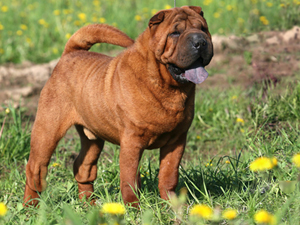


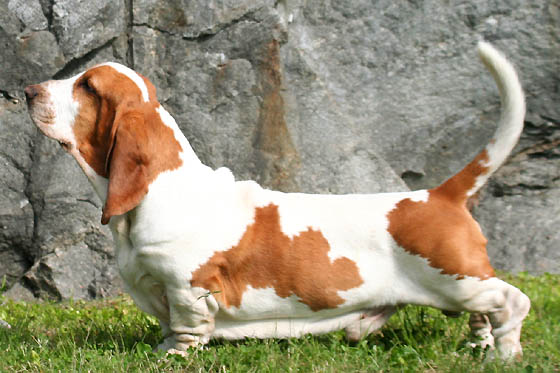

English Bulldogs appear in these rankings
Frequently asked questions
How long do English Bulldogs live?+
English Bulldogs typically live 8-10 years. Keeping any dog at a healthy weight throughout life is the single biggest factor under your control for maximizing lifespan.
How much exercise does a English Bulldog need per day?+
English Bulldogs need 30-45 minutes of daily exercise. Their energy level is low. Under-exercised English Bulldogs can develop destructive behaviors — match their needs to your schedule before adopting.
Are English Bulldogs good with children?+
Yes — English Bulldogs are typically good with children when properly socialized from puppyhood. Always supervise interactions between any breed and young kids, and teach kids gentle handling. Individual temperament varies.
Are English Bulldogs hard to train?+
English Bulldogs are independent-minded and can be challenging to train, especially for first-time owners. They obey when they see the merit, not from blind compliance. Use positive reinforcement, high-value rewards, short sessions, and infinite patience. Avoid harsh "alpha" methods (these create fear-aggression).
Where did the English Bulldog come from?+
The English Bulldog originated in England. Understanding a breed's original purpose helps explain its modern temperament and exercise needs.
📋 Free English Bulldog starter checklist
What to bring, what to watch for, and what to expect at the park with a English Bulldog.