
Modern working breed — extremely loyal, athletic, and intelligent. Need a job and consistent leadership. Often misjudged based on cropped-ear stereotypes. Tall, lean, fast — great running partners.
DCM — the Doberman heart crisis
Dilated Cardiomyopathy (DCM) is the leading cause of death in modern Dobermans, affecting an estimated 60%+ over their lifetime. The heart muscle weakens and dilates, leading to congestive heart failure and sudden cardiac death. Average age of diagnosis: 7-8 years; many dogs die suddenly with no prior symptoms. Critical: get from breeders following the Doberman Diversity Project or DPCA breeding protocols (annual Holter monitor + echocardiogram on parents and grandparents), do annual cardiac screening starting at age 2, switch to a board-certified veterinary cardiologist if any abnormality appears. Pimobendan can extend life 12-15 months once symptoms appear; some Doberman lines from European working stock have meaningfully better cardiac genetics.
European vs American — the two breed lines
American Doberman Pinschers (FCI 'show line') are sleeker, lighter, more elegant — bred for AKC ring. European Dobermanns (German FCI 'working line') are blockier, heavier-boned, with stronger working drive and slightly different temperament. European lines are typically used for IPO/IGP (the Doberman's working sport heritage), police work, and personal protection. American lines are more commonly family dogs. Cardiac genetics: European lines have slightly better DCM rates but neither is safe — both need cardiac screening. Temperament: European Dobermanns are more drive-y and need more work; American Dobermans are calmer at home. If you've never owned a working breed before, an American Doberman from a health-tested breeder is usually the safer pick.
Cropping and docking — the ethics conversation
Traditional American Doberman shows show dogs with cropped ears (cut surgically as puppies, then taped upright for 6+ months) and docked tails (cut at 3-5 days old). Both procedures are cosmetic, painful, and increasingly controversial. The European Convention on Pets bans both procedures; many AKC-affiliated countries are following. Many modern American breeders no longer crop ears (natural ears flop down — they look like a Lab's). Docked tails are still common in the US but research shows docked Dobermans have higher rates of perineal hernias and neuroma pain. Make an ethical choice: ears au natural are healthier, easier to clean, and increasingly accepted in show. If you don't show, never crop. If you must dock, ask if the breeder uses a banded technique (less painful) or surgical at 3-5 days.
Wobbler syndrome — the cervical spine issue
Wobbler syndrome (cervical spondylomyelopathy) affects ~5% of Dobermans, with the breed having one of the highest rates among popular breeds. The cervical (neck) vertebrae compress the spinal cord, causing a wobbly, stumbling gait. Symptoms appear at 3-9 years old: neck pain, difficulty rising, weakness in rear legs, paw 'knuckling' over. Mitigations: feed with elevated bowls (controversial — some studies show no benefit), avoid jerking the neck (use a harness, never a collar with leash pressure), MRI if symptoms appear, surgery for severe cases. Insurance companies often categorize Wobbler as a pre-existing genetic predisposition; get coverage early. Some Doberman lines (particularly working European lines) have lower Wobbler incidence — ask breeders directly.
Park strategy — pick your venue carefully
Most Dobermans are NOT a good fit for crowded public dog parks. Reasons: (1) breed liability — any altercation with a Doberman becomes 'the Doberman attacked,' regardless of who started it, (2) some Dobermans show same-sex aggression as adults (especially male-male), (3) Dobermans are so fast (40+ mph in short bursts) that play with smaller dogs is dangerous. Better venues: AKC obedience clubs, schutzhund/IPO clubs (the breed's heritage sport), private hike groups with known dogs, agility/dock diving clubs, large open trails with long line. If you DO use a public dog park, go off-peak with a stable adult, watch body language constantly, and leave at the first sign of stress. Dobermans benefit hugely from CGC (Canine Good Citizen) and therapy dog work — many become outstanding therapy dogs.
What to look for in a park
- Off-leash dog parks
Designated off-leash areas where your dog can run, play, and socialize freely.
- Fully fenced dog parks
Fully enclosed dog parks with secure perimeter fencing — peace of mind for runners.
- Dog parks with parking
Convenient on-site or adjacent parking — no more circling the block.
- Dog parks with shade
Parks with mature trees, shade structures, or covered areas to keep dogs cool.
Owner park rules of thumb
- • Off-peak hours at fenced off-leash parks
- • Open trails with long-line for hiking
- • Schutzhund/IPO/agility clubs ideal
- • Avoid: crowded peak hours with unfamiliar large dogs
- • Avoid: small-dog areas (size + speed mismatch)
- • Best partners: AKC obedience clubs and trail systems
Top-matching parks for a Doberman Pinscher
Real parks from our directory that score highest for the features your Doberman Pinscher needs.



Common health issues to watch for
- Dilated cardiomyopathy
- Wobbler syndrome
- Hip dysplasia
- Hypothyroidism
Definitions in our breed glossary. Always consult your vet. Save the closest 24/7 emergency vet to your phone.
Similar to Doberman Pinscher
Breeds with comparable size, energy, and group classification.


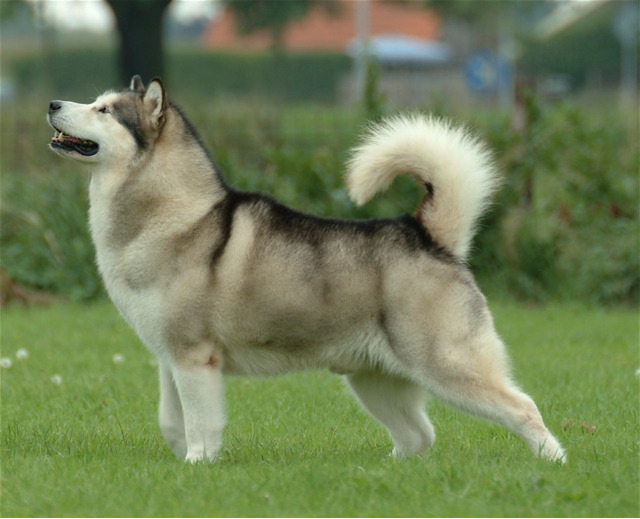
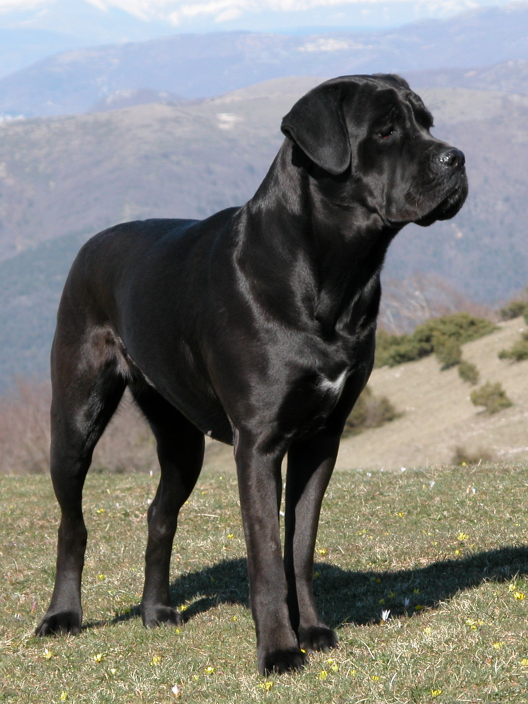
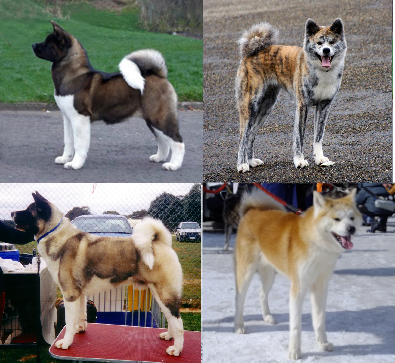
Doberman Pinschers appear in these rankings
Frequently asked questions
How long do Doberman Pinschers live?+
Doberman Pinschers typically live 10-13 years. Keeping any dog at a healthy weight throughout life is the single biggest factor under your control for maximizing lifespan.
How much exercise does a Doberman Pinscher need per day?+
Doberman Pinschers need 90-120 minutes of daily exercise. Their energy level is high. Under-exercised Doberman Pinschers can develop destructive behaviors — match their needs to your schedule before adopting.
Are Doberman Pinschers good with children?+
Yes — Doberman Pinschers are typically good with children when properly socialized from puppyhood. Always supervise interactions between any breed and young kids, and teach kids gentle handling. Individual temperament varies.
Are Doberman Pinschers easy to train?+
Yes — Doberman Pinschers are highly trainable and generally pick up new commands quickly. They thrive on positive reinforcement (rewards, praise) and respond well to consistent training routines.
Can Doberman Pinschers tolerate cold weather?+
Doberman Pinschers are bred for warm climates and may struggle below 40°F. Use sweaters or coats for thin-coated dogs, limit outdoor time in extreme cold, and watch for shivering or paw lifting (signs of cold stress).
Where did the Doberman Pinscher come from?+
The Doberman Pinscher originated in Germany. Understanding a breed's original purpose helps explain its modern temperament and exercise needs.
📋 Free Doberman Pinscher starter checklist
What to bring, what to watch for, and what to expect at the park with a Doberman Pinscher.