
Big, gentle, loyal Swiss farm dogs. Originally bred as draft dogs (pulled milk carts) and farm watchdogs in the Alps. Famously 'velcro' — they want to be physically near you at all times. The heartbreaking tradeoff: 7-10 year lifespan and the highest cancer rate of any popular breed.
The cancer rate — why Berners die young
Bernese Mountain Dogs have a roughly 50%+ lifetime cancer rate, with histiocytic sarcoma (a rare, aggressive cancer) responsible for many of those deaths. The median age of death is 7-8 years — heartbreakingly young for a dog. The Berner Garde Foundation maintains the Open Health Database tracking pedigree cancer rates; responsible breeders publish their lines' health data. Things you can do: buy from breeders who pedigree-test, keep your Berner LEAN (extra weight drives cancer rate), avoid lawn herbicides, get pet insurance day-one, do annual senior bloodwork starting at age 5. There's active research into earlier diagnostics; some labs offer 'cancer biomarker' blood tests.
Joint health — they're heavy
Berners hit 70-115 lbs, and that weight stresses joints. Hip dysplasia and elbow dysplasia rates are high. Critical rules: NEVER let a Berner puppy jump off furniture, run on hard surfaces, or do extended exercise before 18 months of age. The growth plates close at 18-24 months in giant breeds; high-impact exercise before then permanently damages joints. Use ramps, not stairs; controlled walks not unlimited running; swimming is the gold standard exercise (zero joint impact). Adult Berners love hiking but limit to 1 mile per month of age until 12 months old (3-month-old: 3 mile total in a day; 12-month-old: 1 hour walks).
Coat care — the work nobody warned you about
Bernese coats are iconic and require real work. The undercoat blows twice yearly (spring/fall — about 4 weeks of MASSIVE shedding) plus year-round shedding. Routine: undercoat rake 2x/week year-round, daily during blowouts, line brushing every 2 weeks (working from skin out, section by section), bath every 6-8 weeks with conditioner, professional groom every 8-12 weeks for nail trim and sanitary trim. Skipping grooming creates painful matting (especially behind ears, under elbows, and on rear pants). Mats become hot spots, then skin infections. Budget $80-120/month for grooming or learn to do it yourself with a grooming table at home.
Heat is their enemy
Berners were bred for the Swiss Alps (averaging 50-60°F summers in their original range). Their thick double coat and dark color make them extremely heat-intolerant. Critical: NEVER walk above 75°F, never leave them in cars, AC indoors in summer, watch for heatstroke signs. Best summer activities: pre-dawn walks, swimming (if they're trained — many large breeds are surprisingly poor swimmers), shaded patio time. They are HAPPIEST in winter, snow, and cold mountain weather; that's their natural climate. If you live in Phoenix or Houston, do not get this breed. They will suffer and the heat will shorten their already-short life.
Park strategy — slow walks, not fast play
Adult Berners aren't sprinters or distance runners. They're sturdy walkers who love a 30-60 minute moderate-pace forest walk. Best venues: shaded forested parks with trails (Cuyahoga Valley NP, Bernheim Forest, White Mountain NF), large open metro parks at off-peak hours, dog beaches (most Berners enjoy wading), hiking trails in cool weather. Most Berners are calm, friendly, gentle dog-park dogs but they're NOT trying to wrestle aggressively — match them with similar-sized social dogs. Avoid hot pavement summer walks, intense fetch sessions (hard on joints), and small-dog areas (size mismatch).
What to look for in a park
- Dog parks with shade
Parks with mature trees, shade structures, or covered areas to keep dogs cool.
- Dog parks with water fountains
Parks with on-site water fountains or dog-friendly drinking stations.
- Dog parks with parking
Convenient on-site or adjacent parking — no more circling the block.
- Off-leash dog parks
Designated off-leash areas where your dog can run, play, and socialize freely.
Owner park rules of thumb
- • Cool, shaded forest parks ideal
- • Walking trails preferred over fenced play parks
- • Water access for cooling and joint-friendly swim
- • Off-peak hours and cool-weather visits
- • Avoid: any session above 75°F
- • Avoid: high-impact fetch sessions on hard surfaces
- • Best partners: Northern state parks and forested metroparks
Top-matching parks for a Bernese Mountain Dog
Real parks from our directory that score highest for the features your Bernese Mountain Dog needs.
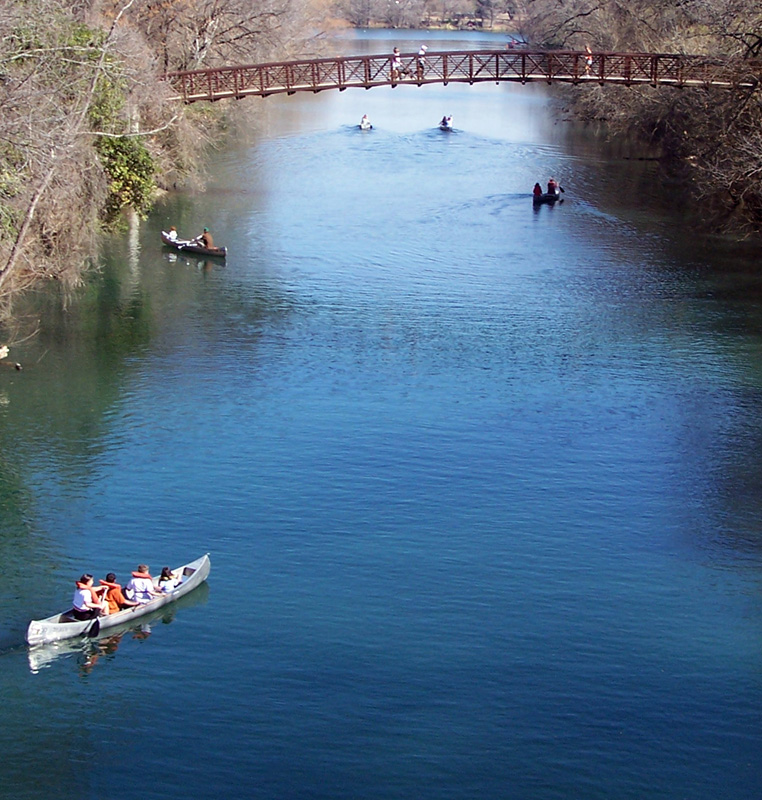 Austin, TexasZilker Park Off-Leash Area
- Austin, TexasRed Bud Isle Park
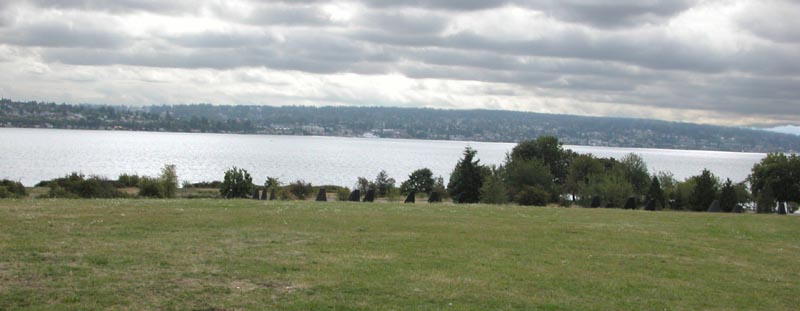 Seattle, WashingtonMagnuson Park Off-Leash Area
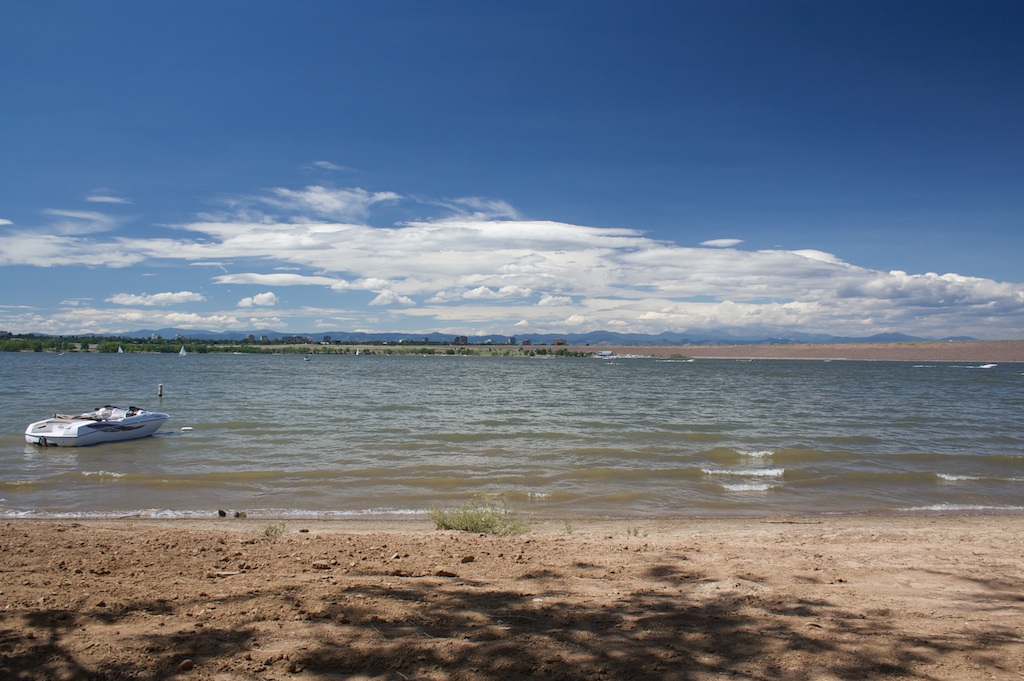 Denver, ColoradoCherry Creek State Park Off-Leash Area, Denver
- Toledo, OhioWildwood Preserve Metropark Off-Leash Area
- Stow, OhioBow Wow Beach
 Hilliard, OhioHeritage Trail Dog Park
 Cincinnati, OhioMt. Airy Forest
Common health issues to watch for
- Cancer (50%+ lifetime risk — highest of any popular breed)
- Hip & elbow dysplasia
- Histiocytic sarcoma
- Bloat
Definitions in our breed glossary. Always consult your vet. Save the closest 24/7 emergency vet to your phone.
Similar to Bernese Mountain Dog
Breeds with comparable size, energy, and group classification.

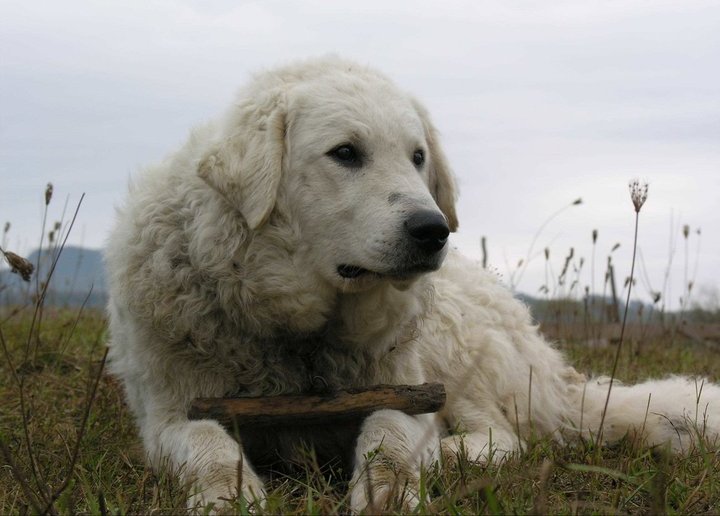


Bernese Mountain Dogs appear in these rankings
Frequently asked questions
How long do Bernese Mountain Dogs live?+
Bernese Mountain Dogs typically live 7-10 years. Keeping any dog at a healthy weight throughout life is the single biggest factor under your control for maximizing lifespan.
How much exercise does a Bernese Mountain Dog need per day?+
Bernese Mountain Dogs need 45-90 minutes of daily exercise. Their energy level is moderate. Under-exercised Bernese Mountain Dogs can develop destructive behaviors — match their needs to your schedule before adopting.
Are Bernese Mountain Dogs good with children?+
Yes — Bernese Mountain Dogs are typically good with children when properly socialized from puppyhood. Always supervise interactions between any breed and young kids, and teach kids gentle handling. Individual temperament varies.
Do Bernese Mountain Dogs shed a lot?+
Yes — Bernese Mountain Dogs are heavy shedders, typically with seasonal "blow outs" (3-4 weeks of major undercoat shedding) twice a year. Daily brushing during these periods, weekly otherwise. Robot vacuum strongly recommended.
Can Bernese Mountain Dogs tolerate hot weather?+
Bernese Mountain Dogs are bred for cold climates and struggle in heat. Above 75-80°F, limit exercise to early morning or late evening, provide shade and water, and consider AC indoors. Northern breeds can fatally overheat in temperatures most owners consider mild.
Where did the Bernese Mountain Dog come from?+
The Bernese Mountain Dog originated in Switzerland (Bern canton — farm draft dog). Understanding a breed's original purpose helps explain its modern temperament and exercise needs.
Can a Bernese Mountain Dog live in an apartment?+
Surprisingly, many giant breeds adapt well to apartment living because they have lower indoor energy than people expect. The bigger constraints are: weight limits in your building, elevator-friendly demeanor, and access to large outdoor spaces for daily exercise. Brief leash walks aren't enough.
📋 Free Bernese Mountain Dog starter checklist
What to bring, what to watch for, and what to expect at the park with a Bernese Mountain Dog.