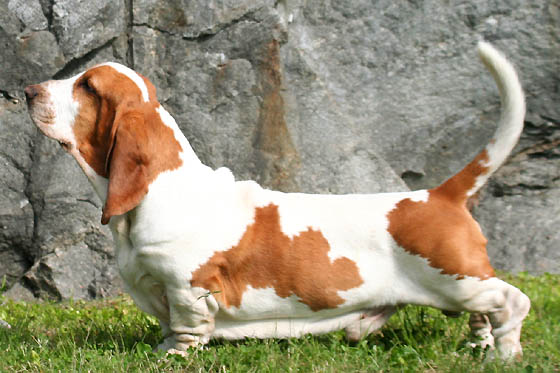
Long ears, short legs, and the second-best nose in the world (after Bloodhound). Fred Basset's breed. Stubborn beyond measure — they obey when they feel like it. Their long backs put them at high IVDD risk; never let them jump off furniture. Famously food-driven; obesity is a constant battle.
What to look for in a park
- Fully fenced dog parks
Fully enclosed dog parks with secure perimeter fencing — peace of mind for runners.
- Dog parks with small-dog areas
Separate areas just for small breeds — safer play for under-25-lb dogs.
- Dog parks with shade
Parks with mature trees, shade structures, or covered areas to keep dogs cool.
Top-matching parks for a Basset Hound
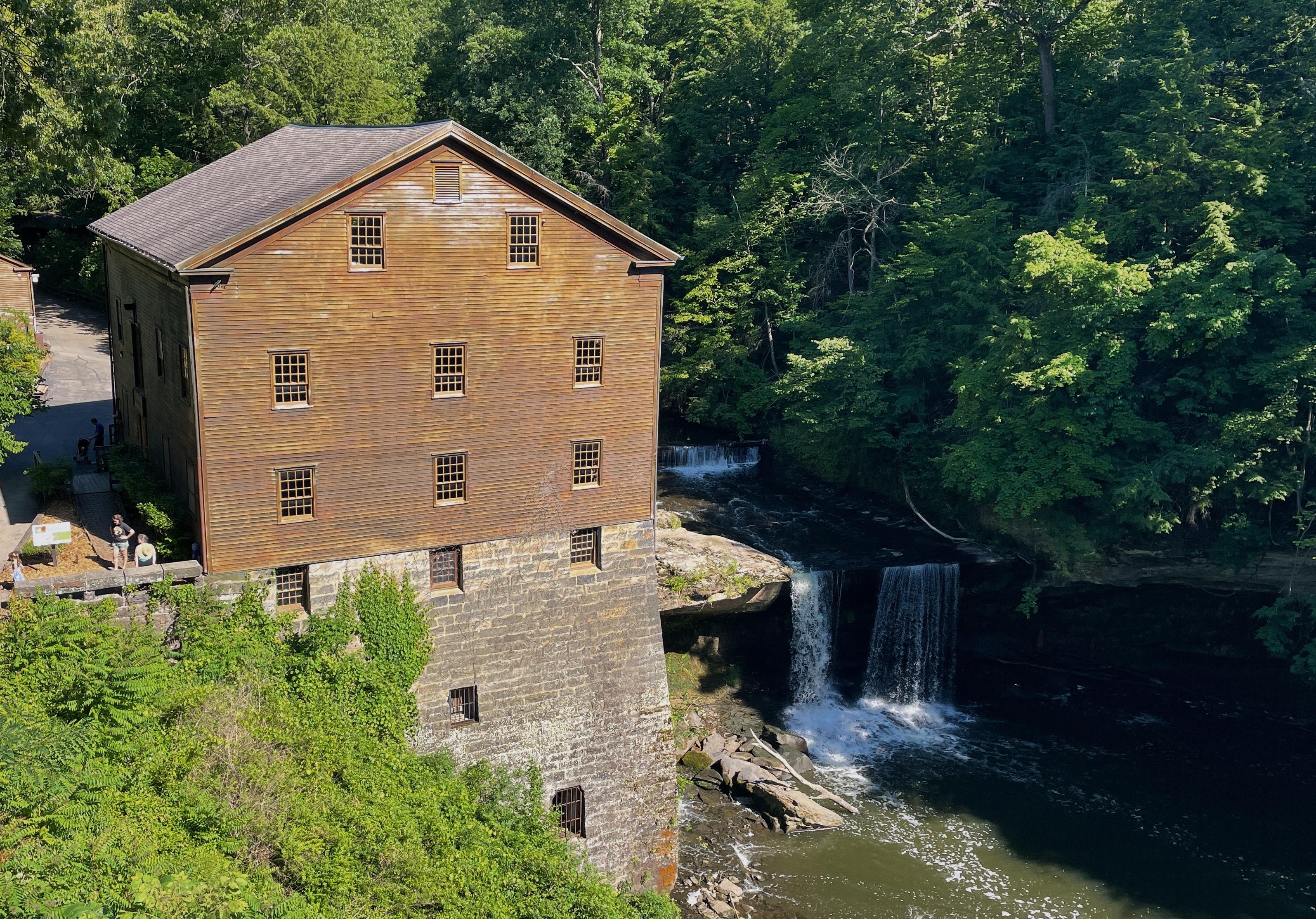
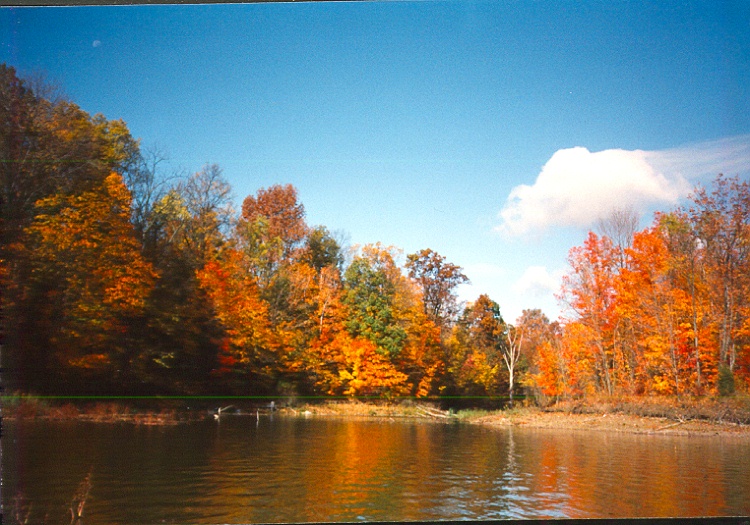
Real parks from our directory that score highest for the features your Basset Hound needs.


Common health issues to watch for
- IVDD
- Ear infections
- Bloat
- Glaucoma
- Obesity
Definitions in our breed glossary. Always consult your vet. Save the closest 24/7 emergency vet to your phone.
Similar to Basset Hound
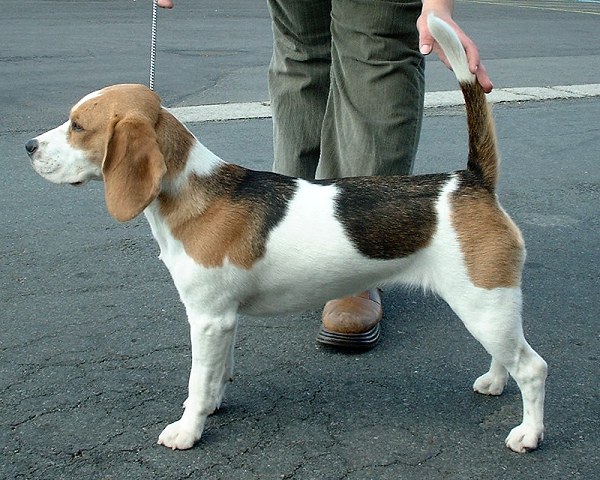
Breeds with comparable size, energy, and group classification.


Frequently asked questions
How long do Basset Hounds live?+
Basset Hounds typically live 12-13 years. Keeping any dog at a healthy weight throughout life is the single biggest factor under your control for maximizing lifespan.
How much exercise does a Basset Hound need per day?+
Basset Hounds need 30-60 minutes of daily exercise. Their energy level is low. Under-exercised Basset Hounds can develop destructive behaviors — match their needs to your schedule before adopting.
Are Basset Hounds good with children?+
Yes — Basset Hounds are typically good with children when properly socialized from puppyhood. Always supervise interactions between any breed and young kids, and teach kids gentle handling. Individual temperament varies.
Are Basset Hounds hard to train?+
Basset Hounds are independent-minded and can be challenging to train, especially for first-time owners. They obey when they see the merit, not from blind compliance. Use positive reinforcement, high-value rewards, short sessions, and infinite patience. Avoid harsh "alpha" methods (these create fear-aggression).
Where did the Basset Hound come from?+
The Basset Hound originated in France. Understanding a breed's original purpose helps explain its modern temperament and exercise needs.
📋 Free Basset Hound starter checklist
What to bring, what to watch for, and what to expect at the park with a Basset Hound.