
High-energy herding breed. Without a job, they'll herd your kids, your cat, and your roomba. Best with active families and access to off-leash trail systems.
Aussies were never Australian — and that matters
Despite the name, the Australian Shepherd was developed in the western United States in the 19th century, primarily by Basque shepherds who came through Australia on their way from the Pyrenees to California. American ranchers called them 'Aussies' because of the Australian connection in their immigration path, and the name stuck. The breed was refined for ranch work in California, Idaho, Wyoming, and Colorado throughout the 1900s. This matters because: (1) modern Aussies are bred from working stock that survived 12-hour shifts on cattle ranches in extreme conditions — they have the stamina to match, (2) ranch-line Aussies (working lines) are noticeably calmer/more biddable than show-line Aussies despite both having very-high energy.
MDR1 mutation — the genetic test that saves lives
Aussies are one of the breeds most affected by the MDR1 (multidrug resistance 1) gene mutation. About 50% of US Aussies carry one or two copies. MDR1-affected dogs cannot break down certain common medications safely; doses that are routine for other dogs cause neurological toxicity, coma, or death. Specifically dangerous: ivermectin (in many heartworm meds and livestock dewormers — yes, your dog can be exposed by eating horse manure containing ivermectin residue), loperamide (Imodium), vincristine and other chemo drugs. A $100 mail-in genetic test (Washington State Vet School and others) tells you your dog's MDR1 status. Get this done — most Aussie owners I meet don't know about it. Then put a tag on your dog's collar listing affected meds.
The merle problem — never breed merle to merle
The signature Aussie merle pattern (mottled blue or red with black/red patches) is caused by the M gene. A single copy of M produces the beautiful merle look; TWO copies (Mm × Mm = MM offspring) produces 'double merle' — predominantly white dogs with severe vision and hearing problems. Up to 25% of MM pups are deaf, blind, or both. Reputable breeders never breed merle to merle. NEVER buy a 'rare double merle' Aussie — it's a deformity sold by unethical breeders. Always ask: are both parents merle? If yes, walk away. The same rule applies to Border Collies, Cardigan Corgis, Catahoulas, and Great Danes (where double merle is called 'lethal white').
The herding nip is real — manage it from puppyhood
Aussies were bred to nip the heels of stubborn cattle to make them move. That genetic behavior shows up in modern pet Aussies as nipping at the heels of running children, joggers, bicyclists, and skateboarders. This is NOT aggression — it's the breed's job manifesting. Mitigations: redirect onto an actual herding outlet (treibball, Frisbee, formal herding classes), teach a strong 'leave it' from 8 weeks old, never punish nipping (creates fear-aggression in this sensitive breed), reward calm presence around moving objects. If you have small children: an Aussie raised with kids from puppyhood is great with them; an adult Aussie new to small kids needs careful introduction and management. Never leave a fast-moving toddler alone with an under-socialized adult Aussie.
Sport options — the smartest Aussie owners pick at least one
An Aussie without a sport is an Aussie with anxiety, destructiveness, or both. Best venues: (1) DOCK DIVING — Aussies are natural jumpers, (2) AGILITY — second only to Border Collies in performance, (3) HERDING TRIALS — even Aussies who've never seen sheep instinctively herd; instinct tests are a thrilling first date, (4) FRISBEE / DISC DOG — many Aussies live for this, (5) FLYBALL, RALLY, NOSE WORK, AKC tricks. Even pet-home Aussies need 2-3 sessions per week of structured training. Frequency beats duration — 4 short 10-minute sessions beats one 40-minute session. The combination of mental + physical work is what creates a calm Aussie.
What to look for in a park
- Off-leash dog parks
Designated off-leash areas where your dog can run, play, and socialize freely.
- Fully fenced dog parks
Fully enclosed dog parks with secure perimeter fencing — peace of mind for runners.
- Dog parks with water fountains
Parks with on-site water fountains or dog-friendly drinking stations.
- Dog parks with parking
Convenient on-site or adjacent parking — no more circling the block.
Owner park rules of thumb
- • Open off-leash trails with room to run at speed
- • Frisbee fields and water access (most love swimming)
- • Agility courses or training clubs nearby
- • Avoid: small dog parks with toddler joggers (nip risk)
- • Avoid: long pavement walks (joints prefer trail surfaces)
- • Best partners: parks with herding trial / sport club access
Top-matching parks for a Australian Shepherd
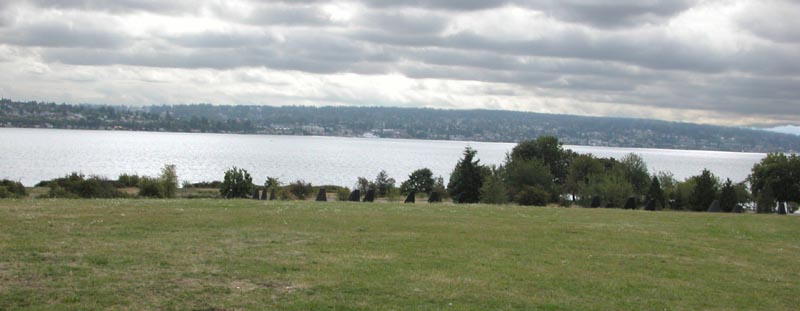
Real parks from our directory that score highest for the features your Australian Shepherd needs.


Common health issues to watch for
- Hip dysplasia
- MDR1 mutation
- Epilepsy
- Eye disorders
Definitions in our breed glossary. Always consult your vet. Save the closest 24/7 emergency vet to your phone.
Similar to Australian Shepherd
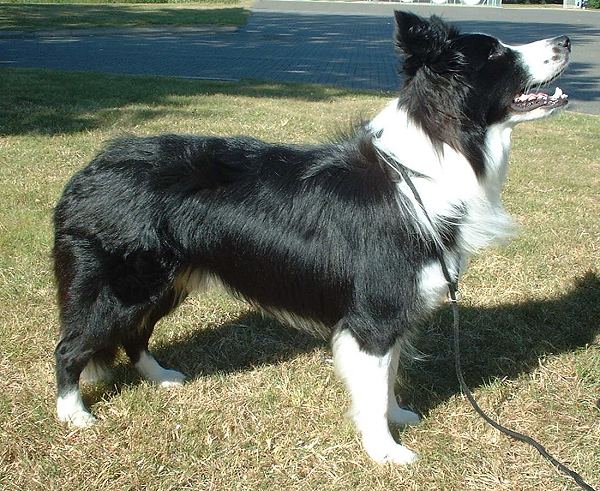
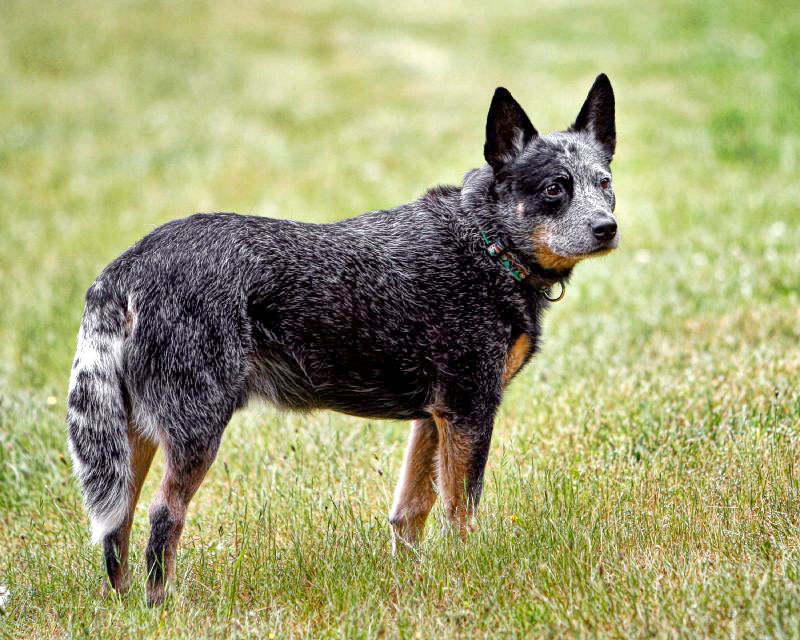
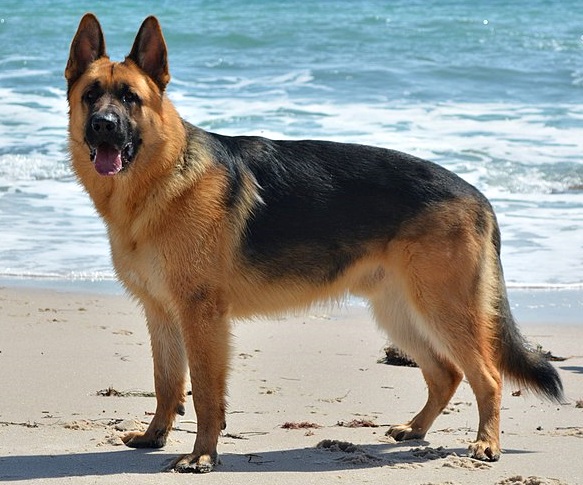
Breeds with comparable size, energy, and group classification.


Australian Shepherds appear in these rankings
Frequently asked questions
How long do Australian Shepherds live?+
Australian Shepherds typically live 12-15 years. Keeping any dog at a healthy weight throughout life is the single biggest factor under your control for maximizing lifespan.
How much exercise does a Australian Shepherd need per day?+
Australian Shepherds need 90-150 minutes of daily exercise. Their energy level is very high. Under-exercised Australian Shepherds can develop destructive behaviors — match their needs to your schedule before adopting.
Are Australian Shepherds good with children?+
Yes — Australian Shepherds are typically good with children when properly socialized from puppyhood. Always supervise interactions between any breed and young kids, and teach kids gentle handling. Individual temperament varies.
Do Australian Shepherds shed a lot?+
Yes — Australian Shepherds are heavy shedders, typically with seasonal "blow outs" (3-4 weeks of major undercoat shedding) twice a year. Daily brushing during these periods, weekly otherwise. Robot vacuum strongly recommended.
Are Australian Shepherds easy to train?+
Yes — Australian Shepherds are highly trainable and generally pick up new commands quickly. They thrive on positive reinforcement (rewards, praise) and respond well to consistent training routines.
Where did the Australian Shepherd come from?+
The Australian Shepherd originated in United States (despite the name). Understanding a breed's original purpose helps explain its modern temperament and exercise needs.
📋 Free Australian Shepherd starter checklist
What to bring, what to watch for, and what to expect at the park with a Australian Shepherd.