
The American Pit Bull Terrier is the foundation breed for what most Americans call 'pit bulls' — a category that also includes American Staffordshire Terriers, Staffordshire Bull Terriers, and many shelter mixes. The breed is famously affectionate with humans (often called 'nanny dogs' in the early 1900s) but the working heritage as a dog-fighting breed in the 19th century left a legacy of dog-selective tendencies. Modern well-bred pitties are loving, loyal, comedic family dogs.
The label problem — what 'pit bull' actually means
There is no single breed called 'Pit Bull.' The term covers several breeds and many mixes: American Pit Bull Terrier (UKC-recognized), American Staffordshire Terrier (AKC-recognized as 'Am Staff'), Staffordshire Bull Terrier (smaller English version), American Bully (a newer offshoot), and countless shelter mixes labeled 'Pit Bull mix' based on visual appearance alone. DNA testing studies have shown shelter-labeled 'Pit Bull mixes' often have NO American Pit Bull Terrier DNA — they're mixes of Lab, Boxer, Mastiff, and other blocky-headed breeds. This matters because: (1) breed-specific legislation often targets 'pit bulls' visually rather than by DNA, (2) shelter labeling affects adoption rates dramatically (Lassie's mom DNA-tested as 'pit mix' would languish; same dog labeled 'lab mix' adopts in 2 weeks), (3) insurance and rental policies often discriminate based on the visual category alone. Get an Embark or Wisdom Panel DNA test for any 'pit mix' rescue — many surprises await.
Dog-dog vs human aggression — the critical distinction
Pit-type dogs were selectively bred (in their fighting heritage) for two specific traits: (1) high tolerance and friendliness toward humans even during the heat of a fight (handlers needed to safely break up fighting dogs), (2) reduced inhibition with other dogs once aroused. The modern result: pitties are statistically among the MOST friendly dogs toward humans (consistently top 10 on the American Temperament Test Society breed evaluation, alongside Goldens and Labs) but can have unpredictable same-sex or aroused dog-dog interactions. This is why dog-park behavior matters more for pitties than almost any other breed: the dog might play fine for 6 months, then suddenly get into a serious fight that escalates fast. Owner responsibility: pre-park socialization with known dogs only, exit at the FIRST sign of arousal (stiff body, hard eye, freeze, hackles), do NOT let strangers' dogs approach in tight spaces, and accept that some adult pitties are 'dog selective' — fine with their family dogs, not fine with strange dogs.
BSL — breed-specific legislation and your real-world life
Many US cities, counties, military bases, rental properties, and homeowner's insurance companies have breed-specific bans or restrictions targeting 'pit bull-type' dogs. Before you commit to one, check: your city/county ordinances, your apartment lease, your homeowner's insurance (State Farm typically OK, many others restrict), your future job's relocation policies (military bases ban pit bulls), and your dog-walker / boarder / groomer policies. Mitigations: AKC Canine Good Citizen + Therapy Dog International certifications PROVE your dog's stability if challenged; these credentials have helped owners win housing disputes. National advocacy groups: Best Friends Animal Society, Animal Farm Foundation, BAD RAP. Some states (NY, CA, IL, RI, MA) have passed laws banning municipal BSL — call your city clerk before assuming you're banned.
The shelter pit bull — why so many?
Pit-type dogs are dramatically over-represented in US shelters (estimated 30-40% of all shelter dogs). The reasons: (1) they're highly visible — the look is recognizable, so 'pit mixes' get labeled as such even when they're not, (2) backyard breeding was rampant from 1990-2010 driven by dog-fighting culture, (3) BSL-driven displacement from cities into shelters, (4) intact pit-type dogs stray and breed before getting captured. Adopting from a shelter is the pittie standard path — they make outstanding family dogs and the rescue community is enormous. Look for shelters that do behavior assessments (SAFER, Match-Up II), have foster networks, and offer adoption support. AVOID: 'free pit puppies' from social media (often poorly socialized), backyard breeders, anyone selling pitties without health tests on parents.
Park strategy — go quiet, go small, leave fast
Most experienced pittie owners avoid public dog parks entirely after they've seen their first park fight. Better strategies: (1) AKC Canine Good Citizen classes for structured socialization, (2) private playgroups with known stable dogs, (3) sniff walks in quiet parks on long-line, (4) dock diving (pitties are great at it), (5) weight pull and other organized sports (pitties dominate UKC weight pull), (6) 1-on-1 dog dates with friends' dogs you've vetted. If you DO use a public dog park, go off-peak (early weekday mornings, NOT weekends), watch all body language, exit at first sign of arousal, and never bring an adult pittie to a small fenced suburban park with random rotating dogs. Many great pitties have been re-homed after a single park altercation that wasn't even their fault.
What to look for in a park
- Fully fenced dog parks
Fully enclosed dog parks with secure perimeter fencing — peace of mind for runners.
- Off-leash dog parks
Designated off-leash areas where your dog can run, play, and socialize freely.
- Dog parks with parking
Convenient on-site or adjacent parking — no more circling the block.
- Dog parks with shade
Parks with mature trees, shade structures, or covered areas to keep dogs cool.
Owner park rules of thumb
- • Off-peak hours at fenced parks if used at all
- • Private playgroups with known dogs strongly preferred
- • AKC CGC + therapy dog work as alternative socialization
- • Long-line walks on quiet sniff trails
- • Avoid: crowded peak hours with unfamiliar dogs
- • Avoid: small-dog areas (size mismatch is dangerous)
- • Best partners: dock-diving and weight-pull clubs
Top-matching parks for a American Pit Bull Terrier
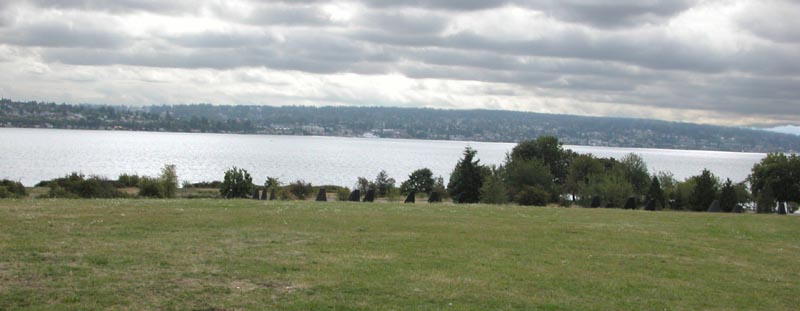
Real parks from our directory that score highest for the features your American Pit Bull Terrier needs.


Common health issues to watch for
- Hip dysplasia
- Skin allergies
- Heart disease
- Kneecap issues
- Cancer
Definitions in our breed glossary. Always consult your vet. Save the closest 24/7 emergency vet to your phone.
Similar to American Pit Bull Terrier
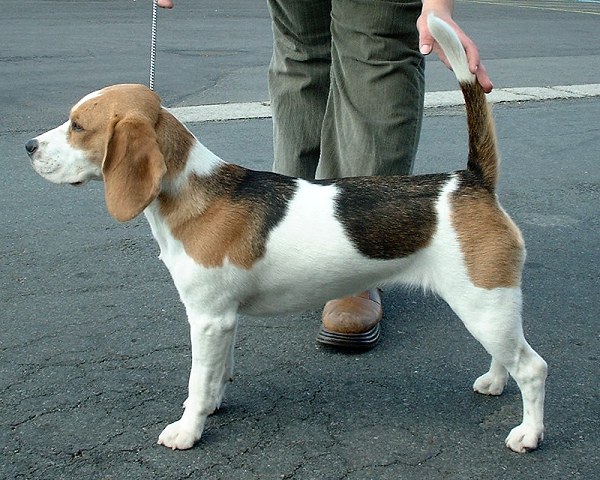
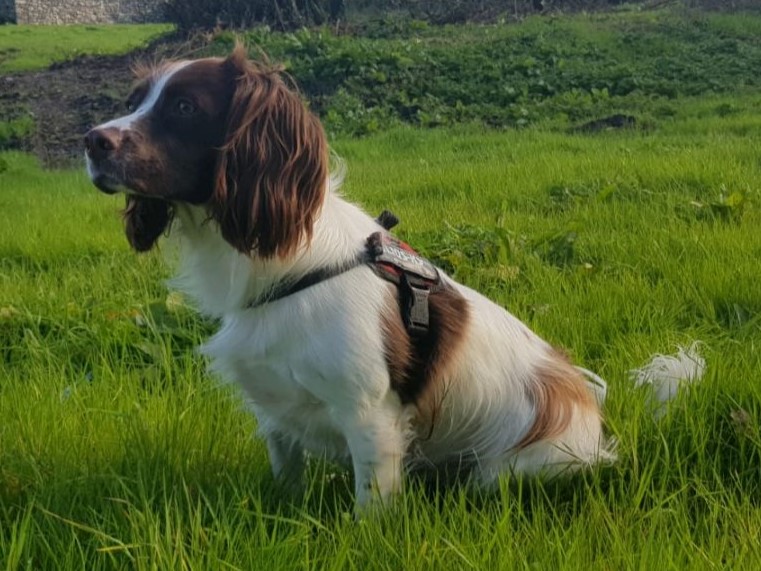
Breeds with comparable size, energy, and group classification.



American Pit Bull Terriers appear in these rankings
Frequently asked questions
How long do American Pit Bull Terriers live?+
American Pit Bull Terriers typically live 12-16 years. Keeping any dog at a healthy weight throughout life is the single biggest factor under your control for maximizing lifespan.
How much exercise does a American Pit Bull Terrier need per day?+
American Pit Bull Terriers need 60-120 minutes of daily exercise. Their energy level is high. Under-exercised American Pit Bull Terriers can develop destructive behaviors — match their needs to your schedule before adopting.
Are American Pit Bull Terriers good with children?+
Yes — American Pit Bull Terriers are typically good with children when properly socialized from puppyhood. Always supervise interactions between any breed and young kids, and teach kids gentle handling. Individual temperament varies.
Are American Pit Bull Terriers good with other dogs?+
American Pit Bull Terriers often have same-sex dog aggression or selective dog-tolerance issues. Single-dog homes or carefully matched playmates work best. Public dog parks may not be a good fit — private playgroups with known dogs are safer.
Are American Pit Bull Terriers easy to train?+
Yes — American Pit Bull Terriers are highly trainable and generally pick up new commands quickly. They thrive on positive reinforcement (rewards, praise) and respond well to consistent training routines.
Where did the American Pit Bull Terrier come from?+
The American Pit Bull Terrier originated in United States (from English Staffordshire Bull Terriers). Understanding a breed's original purpose helps explain its modern temperament and exercise needs.
📋 Free American Pit Bull Terrier starter checklist
What to bring, what to watch for, and what to expect at the park with a American Pit Bull Terrier.