
America's #1 most popular breed for 30+ years running. Labs are pool dogs at heart. Look for parks with water access — fountains, ponds, or beaches. They handle big crowds well and love social play. The most reliable, friendliest, easiest-to-train breed in the AKC top 20.
The three Lab types — they are NOT the same dog
Most owners don't know there are essentially three Labs sharing one breed standard. The English / Show Lab is blockier, calmer, with a thicker tail and chunkier head — bred for the AKC ring. The American / Field Lab is leaner, longer-legged, more athletic, far more energetic — bred to retrieve waterfowl all day. The Pet Lab sits between the two and is what most families end up with. Field Labs from working lines need 2x the exercise of Show Labs. If you got a Lab from a hunting kennel and wonder why it's bouncing off walls at 8 months old, that's why. Match the line to your lifestyle BEFORE you buy.
Why Labs need water access
Labs were bred in Newfoundland to retrieve fish, ropes, and ducks from the freezing North Atlantic. Their double coat sheds water; their broad otter tail is a rudder; their webbed feet paddle hard. Swim sessions burn 3x the calories of a walk and put zero impact on joints — that matters because adult Labs are prone to hip and elbow dysplasia. Look for: lakeside trails, dog beaches, parks with retrieval ponds, splash pads, or a kiddie pool. A dog beach is a Lab's dream. NO water? Daily fetch sessions for 45+ minutes minimum. A bored Lab eats the couch.
Lab obesity — the #1 health issue
Roughly 60% of US Labs are overweight by age 4. Why: a known genetic mutation (POMC) makes them feel less full than other breeds. They will literally eat themselves to death. Strict food measuring (use a kitchen scale, not a cup), no free-feeding, replace half their treats with green beans/carrots, and 60+ minutes of exercise daily. An overweight Lab loses 1-2 years of life and develops worse hip dysplasia. The good news: they respond fast to weight loss — 6 months of strict measuring + daily walks usually drops them back to ideal.
Park behavior — Labs are social anchors
Labs are the breed most likely to defuse tension at a dog park. Confident, friendly, low-prey-drive, recall is usually solid (especially Show lines). They're great around kids, other dogs, cats, and strangers. The risk is the opposite of most breeds: they're too friendly. Your Lab will hand-deliver every tennis ball at the park to every stranger. Watch for: resource guarding around shared toys (some food-driven Labs do this), and over-exuberant greetings that knock down toddlers. Train a sit-greet from puppyhood.
Training & jobs — it's about engagement, not difficulty
Labs are in the AKC's Top 5 trainability — they hit obedience milestones fast. The challenge isn't teaching them, it's keeping them mentally engaged. Working-line Labs need a JOB: dock diving, retriever trials, scent work, search and rescue, service dog work, therapy dog visits. Lab+SAR is one of the most successful pairings in dog sport. Even pet Labs benefit from 'put away the toys' games, fetch with multiple toys (name them), or hidden-treat scent work indoors. A Lab without a job invents one — usually involving your shoes.
What to look for in a park
- Dog parks with water fountains
Parks with on-site water fountains or dog-friendly drinking stations.
- Off-leash dog parks
Designated off-leash areas where your dog can run, play, and socialize freely.
- Dog parks with parking
Convenient on-site or adjacent parking — no more circling the block.
- Dog parks with shade
Parks with mature trees, shade structures, or covered areas to keep dogs cool.
Owner park rules of thumb
- • Water access is non-negotiable — pond, lake, or splash pad
- • Fenced off-leash areas with room for fetch (50+ yards)
- • Mature shade trees — thick coat traps heat
- • Dog-friendly beaches are ideal (Coronado, Cape Cod, Headlands)
- • Avoid: small urban parks with no retrieval space
- • Best partners: parks with dock-diving or agility events
Top-matching parks for a Labrador Retriever
Real parks from our directory that score highest for the features your Labrador Retriever needs.
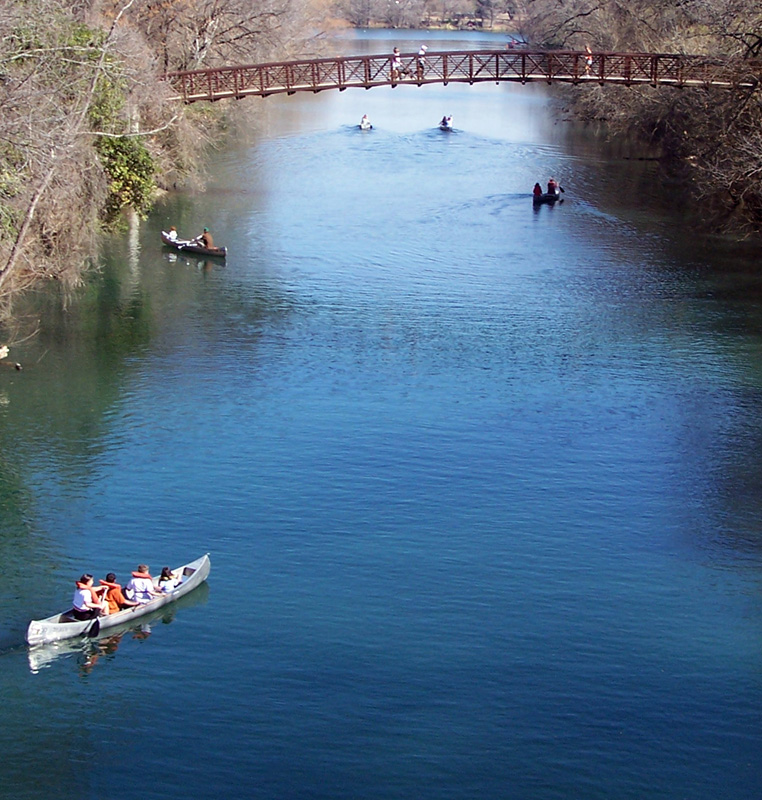 Austin, TexasZilker Park Off-Leash Area
- Austin, TexasRed Bud Isle Park
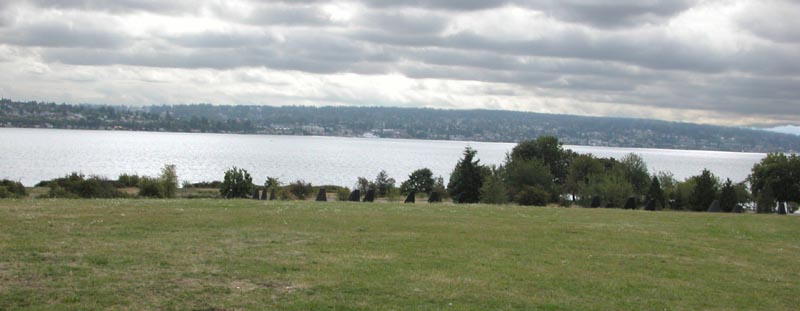 Seattle, WashingtonMagnuson Park Off-Leash Area
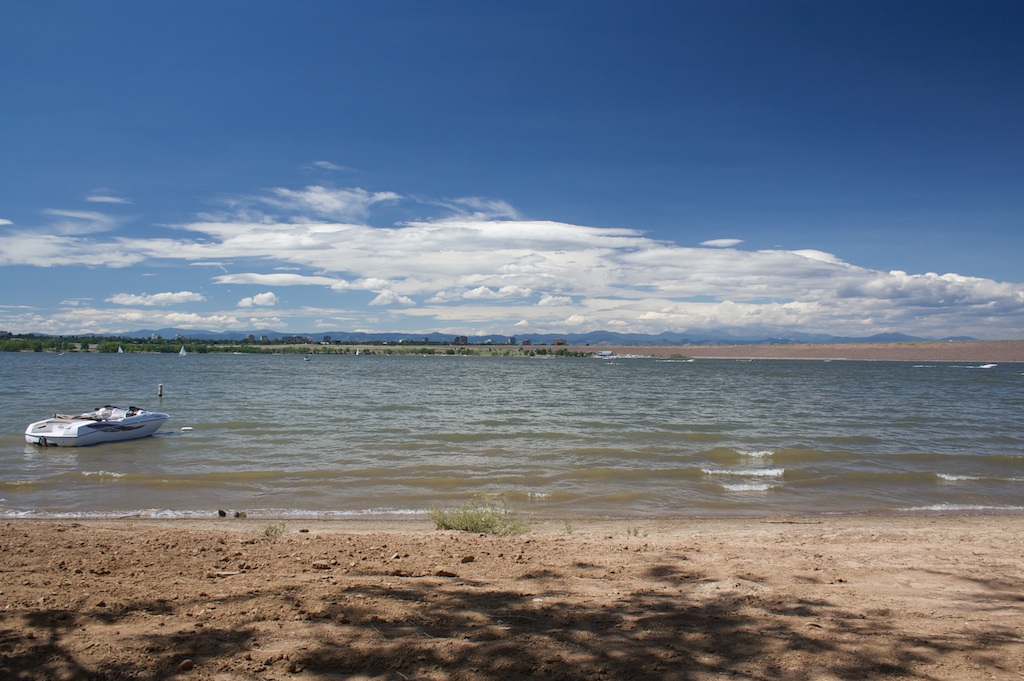 Denver, ColoradoCherry Creek State Park Off-Leash Area, Denver
- Toledo, OhioWildwood Preserve Metropark Off-Leash Area
- Stow, OhioBow Wow Beach
 Hilliard, OhioHeritage Trail Dog Park
 Cincinnati, OhioMt. Airy Forest
Common health issues to watch for
- Hip & elbow dysplasia
- Obesity
- Progressive retinal atrophy
- Bloat
Definitions in our breed glossary. Always consult your vet. Save the closest 24/7 emergency vet to your phone.
Similar to Labrador Retriever
Breeds with comparable size, energy, and group classification.
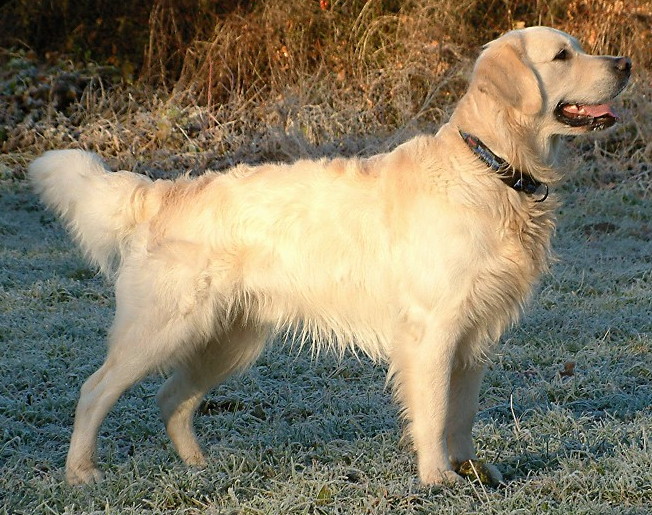


Labrador Retrievers appear in these rankings
Frequently asked questions
How long do Labrador Retrievers live?+
Labrador Retrievers typically live 10-12 years. Keeping any dog at a healthy weight throughout life is the single biggest factor under your control for maximizing lifespan.
How much exercise does a Labrador Retriever need per day?+
Labrador Retrievers need 60-120 minutes of daily exercise. Their energy level is high. Under-exercised Labrador Retrievers can develop destructive behaviors — match their needs to your schedule before adopting.
Are Labrador Retrievers good with children?+
Yes — Labrador Retrievers are typically good with children when properly socialized from puppyhood. Always supervise interactions between any breed and young kids, and teach kids gentle handling. Individual temperament varies.
Do Labrador Retrievers shed a lot?+
Yes — Labrador Retrievers are heavy shedders, typically with seasonal "blow outs" (3-4 weeks of major undercoat shedding) twice a year. Daily brushing during these periods, weekly otherwise. Robot vacuum strongly recommended.
Are Labrador Retrievers easy to train?+
Yes — Labrador Retrievers are highly trainable and generally pick up new commands quickly. They thrive on positive reinforcement (rewards, praise) and respond well to consistent training routines.
Where did the Labrador Retriever come from?+
The Labrador Retriever originated in Newfoundland, Canada. Understanding a breed's original purpose helps explain its modern temperament and exercise needs.
📋 Free Labrador Retriever starter checklist
What to bring, what to watch for, and what to expect at the park with a Labrador Retriever.