
Goldens are the easiest dogs at the park — friendly with everyone, love water, love fetch. Look for parks with mature trees for shade and a water source. America's other most-loved family dog.
The cancer rate — the heartbreak of the breed
Roughly 60% of Golden Retrievers in the US develop cancer in their lifetime — the highest rate of any popular breed. Hemangiosarcoma (a vascular tumor that often ruptures suddenly) and lymphoma are the two big killers, typically appearing at 8-12 years old. The Morris Animal Foundation's Golden Retriever Lifetime Study has been tracking 3,000+ Goldens since 2012 to find genetic and environmental factors. Things you can do: feed lean (obesity drives cancer risk), avoid lawn herbicides (2,4-D linked to canine lymphoma), don't smoke around them, get pet insurance EARLY (cancer treatment runs $5-15K), and consider semi-annual senior bloodwork after age 7. The European Golden lines from the UK have meaningfully lower cancer rates than American lines — if you're starting from scratch, ask your breeder about their cancer pedigree.
American vs English Cream — the two Golden styles
American Goldens are the iconic 'reddish-gold, athletic' look familiar from US ads and movies. English Cream Goldens are paler (cream to white), blockier with broader heads, slightly shorter, calmer, and statistically have lower cancer rates (roughly 38% vs 60% American). Don't pay 2x for an English Cream from a backyard breeder claiming 'rare white Goldens' — that's marketing. A real English Cream comes from imported European lines with health-tested parents and OFA hips/elbows. Both styles are wonderful family dogs. The temperament differences are subtle: English Creams average slightly calmer, American Goldens slightly more athletic.
Goldens are mouth dogs — that's their love language
Goldens were bred to retrieve birds without crushing them — 'soft mouth.' Modern Goldens carry that genetic need. Your Golden will pick up shoes, pillows, sticks, leaves, dirty socks, and bring them to you as a greeting. This isn't bad behavior; it's literally what they were made to do. Mitigations: ALWAYS have a chew rotation (Kong, Nylabone, antlers, frozen carrots), redirect couch chewing to approved toys, teach 'drop' early. Provide retrieve outlets — fetch, dock diving, hidden-toy 'find it' games. A Golden without something appropriate to mouth will mouth your hands during play (politely but persistently) — train an alternative behavior from puppyhood.
Park behavior — the social glue
If Labs are dog park anchors, Goldens are dog park glue. They're wired to be friendly with EVERYONE — humans, dogs, cats, kids, strangers, mailmen, the UPS driver, the mailbox. This makes them the easiest dog to take to busy parks: they don't resource guard, don't react to other dogs, and recover gracefully from rough play. The risks: (1) over-friendly Goldens approach dogs that don't want to be approached and can get bitten (read other dogs' body language for them), (2) they swim like otters and will jump in any pond / pool / fountain — bring a towel always, (3) they pick up everything off the ground (rocks, trash, dead things), so 'leave it' is the most important command for a Golden.
Coat care — the shedding strategy
Goldens have a medium-length, water-repellent double coat that sheds year-round and 'blows' twice a year (spring and fall — about 3 weeks each season of MASSIVE undercoat shedding). Critical rule: NEVER shave a Golden. Their double coat acts as both insulation AND sun protection; shaving wrecks the coat's regrowth pattern and leaves the skin sunburned. Brushing routine: undercoat rake (Furminator-style) 2-3x/week year-round, daily during blowouts, monthly bath with conditioner, and trim feathering on legs and tail every 6-8 weeks. A weekly 20-minute brush prevents the matting behind ears and on rear pants that turns into shaving emergencies.
What to look for in a park
- Dog parks with water fountains
Parks with on-site water fountains or dog-friendly drinking stations.
- Off-leash dog parks
Designated off-leash areas where your dog can run, play, and socialize freely.
- Dog parks with shade
Parks with mature trees, shade structures, or covered areas to keep dogs cool.
- Dog parks with parking
Convenient on-site or adjacent parking — no more circling the block.
Owner park rules of thumb
- • Water access is critical — pond, lake, beach, or splash pad
- • Off-leash spaces with retrieval room (50+ yards)
- • Heavily shaded areas — double coat traps heat in summer
- • Beaches are perfect (most Goldens swim like otters)
- • Avoid: parks with goose-poop-covered ponds (Goldens will eat it)
- • Best partners: dog-beach venues with lifeguards
Top-matching parks for a Golden Retriever
Real parks from our directory that score highest for the features your Golden Retriever needs.
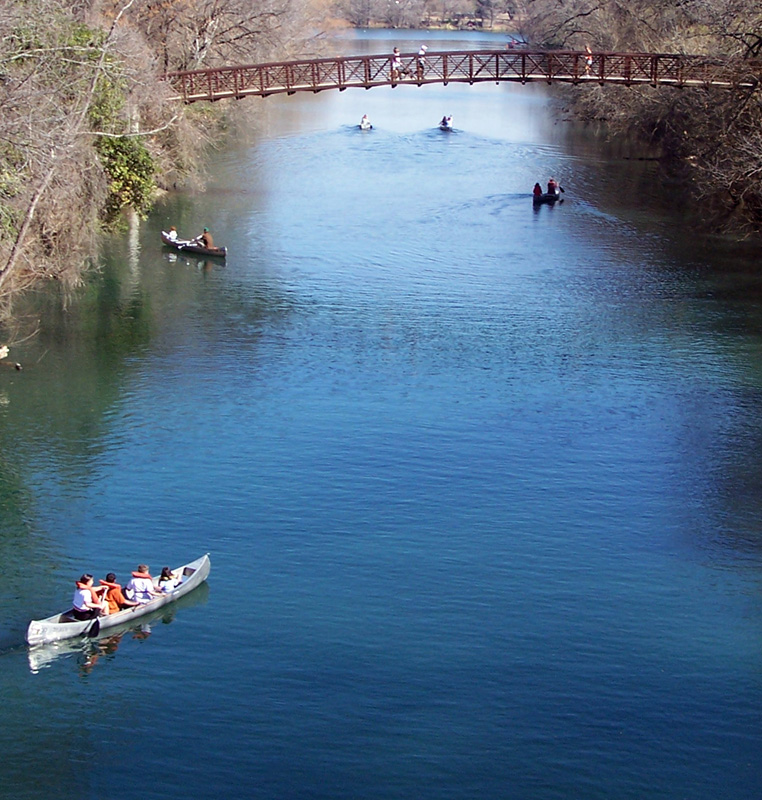 Austin, TexasZilker Park Off-Leash Area
- Austin, TexasRed Bud Isle Park
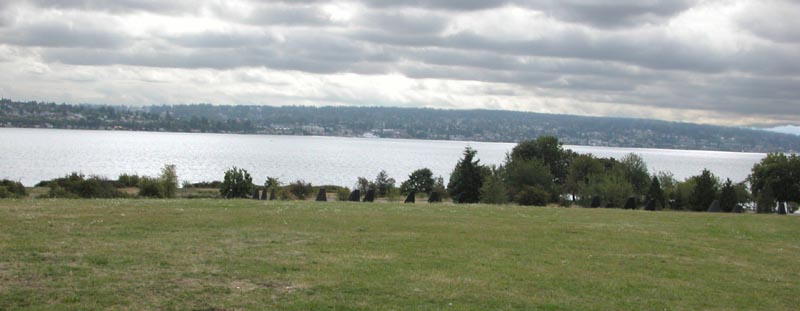 Seattle, WashingtonMagnuson Park Off-Leash Area
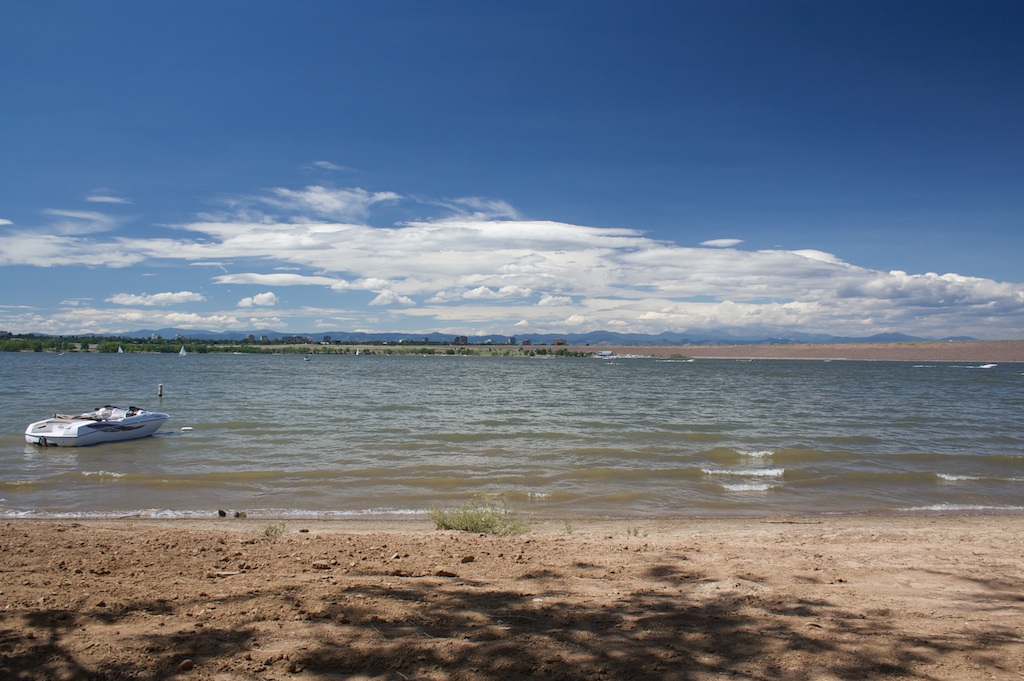 Denver, ColoradoCherry Creek State Park Off-Leash Area, Denver
- Toledo, OhioWildwood Preserve Metropark Off-Leash Area
- Stow, OhioBow Wow Beach
 Hilliard, OhioHeritage Trail Dog Park
 Cincinnati, OhioMt. Airy Forest
Common health issues to watch for
- Hip & elbow dysplasia
- Cancer (high lifetime risk)
- Heart issues
- Hypothyroidism
Definitions in our breed glossary. Always consult your vet. Save the closest 24/7 emergency vet to your phone.
Similar to Golden Retriever
Breeds with comparable size, energy, and group classification.




Golden Retrievers appear in these rankings
Frequently asked questions
How long do Golden Retrievers live?+
Golden Retrievers typically live 10-12 years. Keeping any dog at a healthy weight throughout life is the single biggest factor under your control for maximizing lifespan.
How much exercise does a Golden Retriever need per day?+
Golden Retrievers need 60-120 minutes of daily exercise. Their energy level is high. Under-exercised Golden Retrievers can develop destructive behaviors — match their needs to your schedule before adopting.
Are Golden Retrievers good with children?+
Yes — Golden Retrievers are typically good with children when properly socialized from puppyhood. Always supervise interactions between any breed and young kids, and teach kids gentle handling. Individual temperament varies.
Do Golden Retrievers shed a lot?+
Yes — Golden Retrievers are heavy shedders, typically with seasonal "blow outs" (3-4 weeks of major undercoat shedding) twice a year. Daily brushing during these periods, weekly otherwise. Robot vacuum strongly recommended.
Are Golden Retrievers easy to train?+
Yes — Golden Retrievers are highly trainable and generally pick up new commands quickly. They thrive on positive reinforcement (rewards, praise) and respond well to consistent training routines.
Where did the Golden Retriever come from?+
The Golden Retriever originated in Scotland. Understanding a breed's original purpose helps explain its modern temperament and exercise needs.
📋 Free Golden Retriever starter checklist
What to bring, what to watch for, and what to expect at the park with a Golden Retriever.