
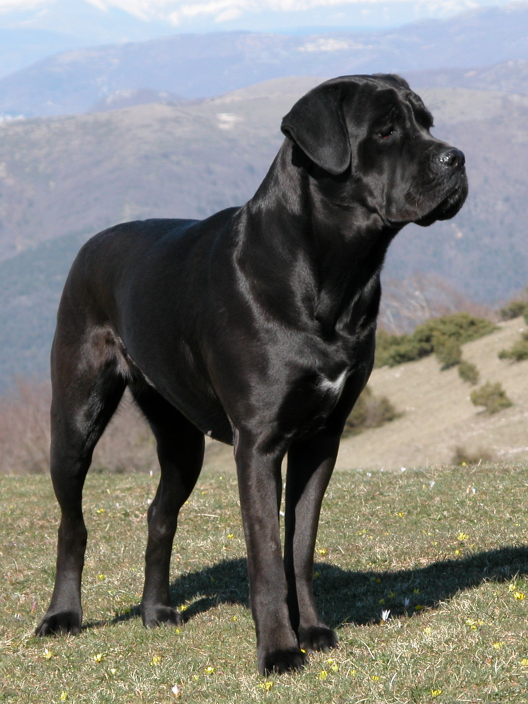
Bred in 1860s England as the 'Gamekeeper's Night Dog' — to silently track and pin (not maul) poachers in the dark. Calm, intensely loyal, naturally protective without aggression. Lower energy than English Mastiffs and slightly more athletic. 7-9 year lifespan. NOT a starter dog — needs experienced handler for confident leadership.
What to look for in a park
- Fully fenced dog parks
Fully enclosed dog parks with secure perimeter fencing — peace of mind for runners.
- Dog parks with shade
Parks with mature trees, shade structures, or covered areas to keep dogs cool.
- Dog parks with parking
Convenient on-site or adjacent parking — no more circling the block.
- Indoor dog parks
Climate-controlled indoor dog parks — perfect for rainy days, summer heat, and winter snow.
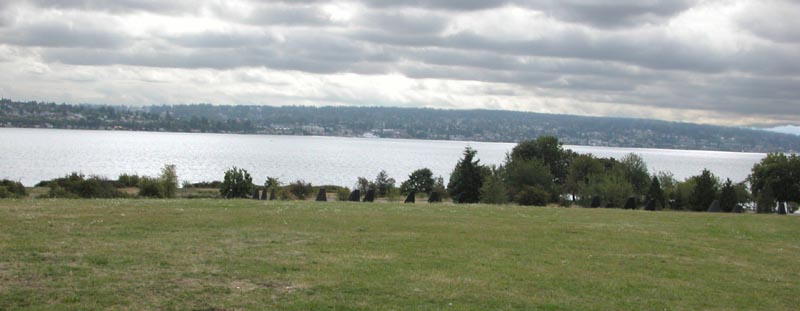
Top-matching parks for a Bullmastiff
Real parks from our directory that score highest for the features your Bullmastiff needs.


Common health issues to watch for
- Hip & elbow dysplasia
- Bloat
- Cancer
- Heart disease
Definitions in our breed glossary. Always consult your vet. Save the closest 24/7 emergency vet to your phone.
Similar to Bullmastiff
Breeds with comparable size, energy, and group classification.




Bullmastiffs appear in these rankings
Frequently asked questions
How long do Bullmastiffs live?+
Bullmastiffs typically live 7-9 years. Keeping any dog at a healthy weight throughout life is the single biggest factor under your control for maximizing lifespan.
How much exercise does a Bullmastiff need per day?+
Bullmastiffs need 30-60 minutes of daily exercise. Their energy level is moderate. Under-exercised Bullmastiffs can develop destructive behaviors — match their needs to your schedule before adopting.
Are Bullmastiffs good with children?+
Yes — Bullmastiffs are typically good with children when properly socialized from puppyhood. Always supervise interactions between any breed and young kids, and teach kids gentle handling. Individual temperament varies.
Are Bullmastiffs good with other dogs?+
Bullmastiffs often have same-sex dog aggression or selective dog-tolerance issues. Single-dog homes or carefully matched playmates work best. Public dog parks may not be a good fit — private playgroups with known dogs are safer.
Where did the Bullmastiff come from?+
The Bullmastiff originated in England. Understanding a breed's original purpose helps explain its modern temperament and exercise needs.
Can a Bullmastiff live in an apartment?+
Surprisingly, many giant breeds adapt well to apartment living because they have lower indoor energy than people expect. The bigger constraints are: weight limits in your building, elevator-friendly demeanor, and access to large outdoor spaces for daily exercise. Brief leash walks aren't enough.
📋 Free Bullmastiff starter checklist
What to bring, what to watch for, and what to expect at the park with a Bullmastiff.